4 Tips For An Effective Email Marketing Development Process
November 30, 2021
Allen Joseph
With an increasing number of marketers investing at least a week in producing a single promotional email, it's clear that among the various marketing channels, email marketing is essential. As a result, you'll need an email development approach that isn't only well organized and efficient but also runs smoothly and meets your company's long-term objectives.
Here are 4 tips on how you can improve your whole email development process and master your email marketing approach:
1. Always plan ahead
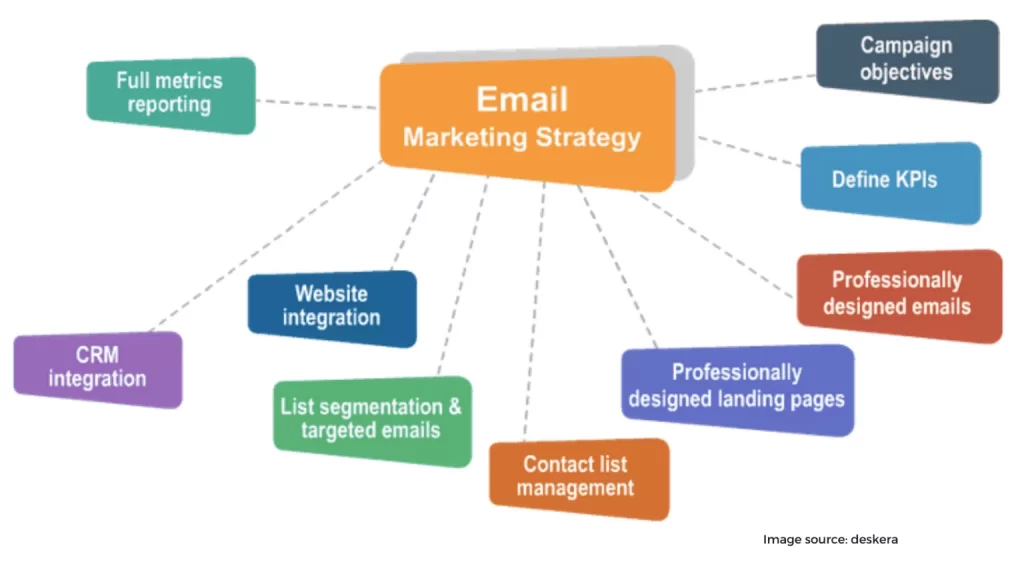
An effective email marketing campaign requires careful planning. Keep in mind that it's better to be a step ahead. So, if you want to streamline your email development process, start with a thorough strategy that allows you to think, share, and discuss your ideas with your team to achieve a successful email marketing campaign. You'll need to schedule time for the tasks involved in your strategy once you've developed a plan. A calendar will assist you in keeping track of the activities at hand by allowing you to see how many emails need to be sent and the regularity of the email flow.
2. Start with a project brief
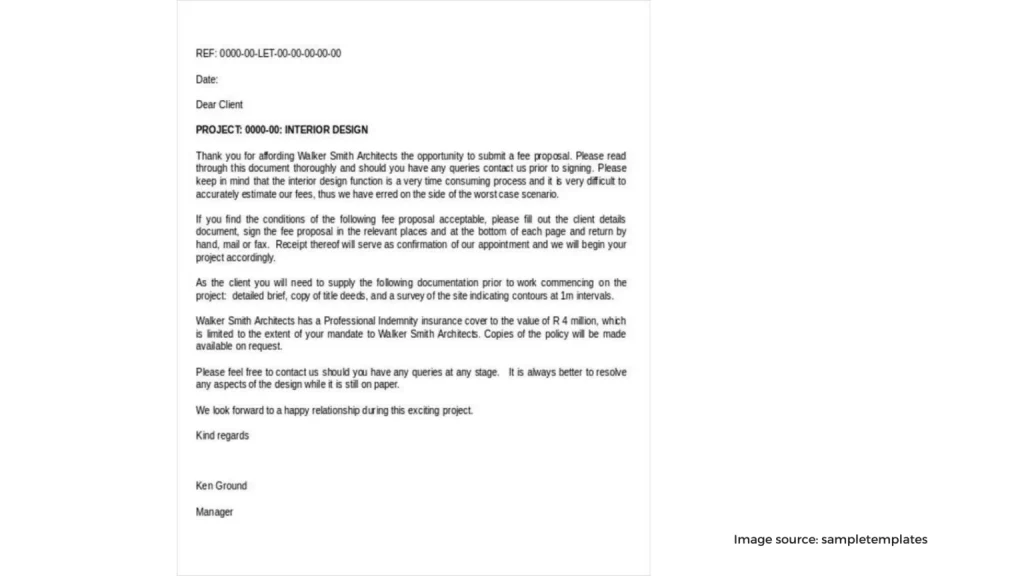
A project brief is a written document that helps you keep track of everything you need to accomplish in your email marketing plan. A project brief is all you need to keep track of your email marketing efforts, from your work on your strategy and assets to the goals and campaign results. You can either use one of the project brief templates available on the internet or design your own. However, if you are using your template, make sure you include the following requirements:
Email sending dates and deadlines
Target audience
Goals to be achieved and their success measurement
Assets such as email form, template, landing page, segmentation name, etc.
Groups within your teams who are creating the email campaign
Include a copy of your email links and a call to action
Envelope fields with names of the form with email addresses, subject line, and preview text
3. Go for a formal intake process
A thorough intake procedure is an excellent approach to synchronizing and managing the email development process. This will aid you in defining and assigning clear roles and responsibilities within your team. There is no such thing as misunderstood or unclear goals. Everyone would know exactly what, when, and how they should work. This, in the end, would result in a successful email campaign that is simple to implement and maintain.
Here's how you can set up a formal intake process:
First, inform your team beforehand about your project to give you their feedback.
Communicate with your team and figure out what they anticipate from the email campaign. Communication with everyone involved in the project, from designers who need to create the email template to developers who need to code it, might help you build a more accurate and helpful project brief.
It's also critical to inform your developers and designers about the brand standards. It would assist you in maintaining the style and feel of your email consistent with other digital media.
It's a good idea to have a style guide in place to ensure the copywriters keep a consistent tone and brand personality. For example, varying demographics reacting differently to different messages, understanding your target market, and tailoring personalized subject lines can help quickly supercharge your campaigns.
4. Continual evaluation
Effective email marketing campaigns cannot be accurately assessed until you evaluate them. So before launching your next email campaigns, create success indicators and key performance indicators (KPIs) to figure out what good looks like for you. Early-stage metrics like unsubscribe rate or click-through rate may be used, or you might have marketing automation that works well with your email service providers that allows you to measure first- and multi-touch attribution and revenue data. Choose an email marketing service that you can integrate with your business website or e-commerce platform. Create an evaluation culture for whatever you're examining, and then experiment with your email marketing strategy.
Sending an email is a great way to strengthen your relationship with your customers. But, if you still think that email marketing is just tapping away at a keyboard, then it's time to change the way you approach this cost-effective and results-driven approach to getting your business noticed.
Loved What You Read? Stay Inspired!
Don’t miss out on exclusive insights, tips, and updates. Sign up now and be the first to explore fresh ideas!
Cold-calling volume is declining in effectiveness, wasting time and budget. The A.C.E.S.™ method replaces heavy dialing with five personalized, well-timed touches and a short silent window to boost recall and replies. Teams achieve equal or better meetings with fewer calls and higher efficiency.
What happens when sales reps get instant feedback instead of silence? Salesforce Arcade shows that making effort visible can boost daily dials by 25%—without new incentives, pressure, or burnout. Sometimes performance doesn’t need a new target, just a better experience.
Most sales emails stall because trust shows up too late. The Social-Proof Sandwich fixes that by placing testimonials right where decisions happen—mid-email—boosting replies and demos with smarter timing, not more words.
In modern B2B sales, interest peaks briefly and fades quickly. Teams that respond within minutes often shape the conversation, set expectations, and move opportunities forward. Clear response ownership, thoughtful use of automation, and timely human follow-up turn speed into a durable advantage.
Cold emails often fail not because the message is weak, but because it arrives before familiarity exists. By engaging thoughtfully with profiles and posts before sending an email, sales professionals can create warmer conversations, faster replies, and more natural first interactions.