6 Must-Know Email Marketing Types for Insurance Agents
September 30, 2021
Allen Joseph
People recognize the need for insurance following an unfortunate event. However, it is frequently too late by then. The main issue is educating people about insurance benefits while there is still time.
Email marketing is crucial for agents to nurture their contact with prospects and grow trust and credibility in this approach. So that if something goes wrong, prospects will remember 'that' insurance professional.
Understanding Email Marketing for Insurance Agents
Email marketing is the process by which companies use email to contact people who are interested in learning more about them. It may lead to potential consumers.
Two popular ways businesses use it:
New product launches, discount codes, and other similar methods of direct selling
It's a way for businesses to keep their consumers up to date on their brand and remain in touch
What should insurance agents do?
For insurance agents, the goal should not be to sell directly. Rather, utilize email to establish a connection with prospects and existing customers while also creating closer relationships with them.
To make the most of email marketing's advantages, you'll need to pick a reputable email service provider (ESP). Deliverability, an easy-to-use editor, campaign analytics tracking capabilities, and dependable customer service are all essential components of a solid ESP. This page will be useful whether you use the ESP service or not.
Let's begin by discussing the types of emails you can send:
Types of Emails to Send
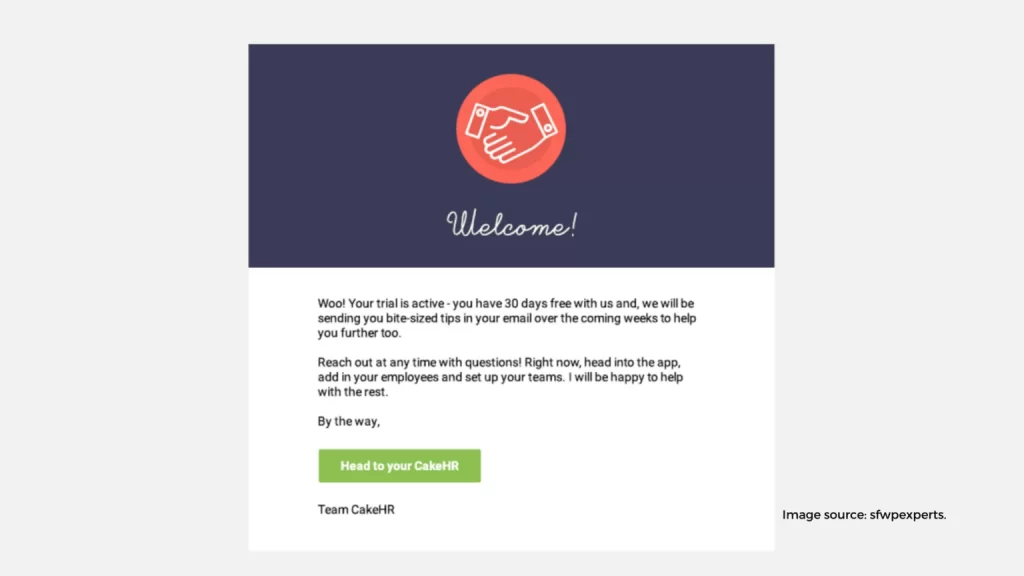
1. Welcome Email
Your first contact with a new subscriber is through your welcome email. So, depending on your plan, you can communicate one of the following:
If you have an app, encouraged to download it
What type of emails can they expect from you
Invite your subscribers to join your social media channels
Finally, don't forget to thank them for signing up for your list.
2. Content Emails
When someone joins your list, they're anticipating emails from you and eager to interact with your business. So don't let a mountain of email addresses gather dust.
Start communicating - whether it's content or a sales email.
Before you send a sales email, I recommend that you establish trust with the subscribers by providing high-quality material. This content can be:
Tips for good health
There are so many stories about how travel insurance helped someone while they were on vacation
Your brand values
People may not immediately purchase insurance from you. However, you will be on their minds as soon as they are ready to act because of these emails.
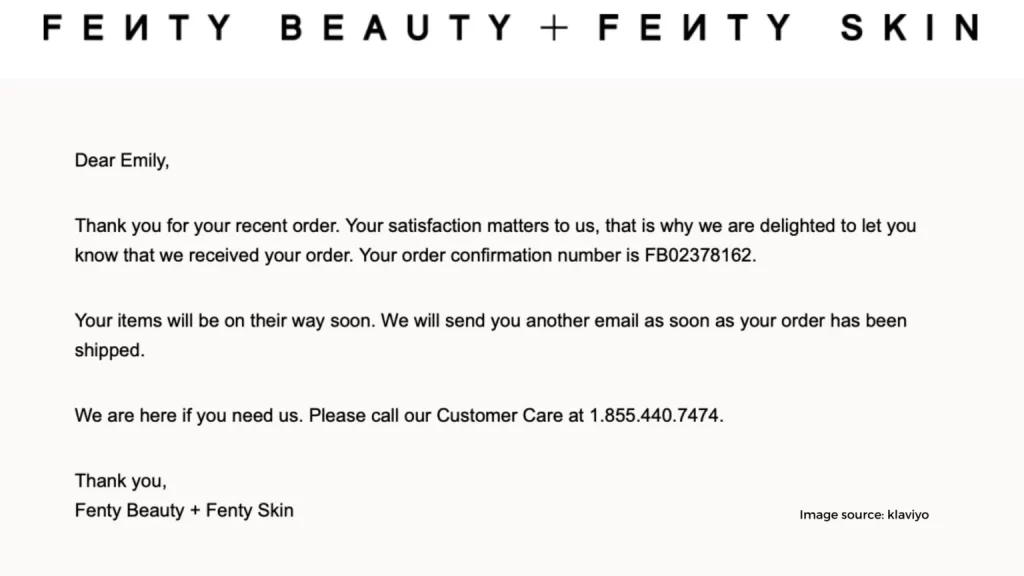
3. Post Purchase Instructions
Don't dismiss an email from a customer as soon as they've acquired insurance from you. You want them to renew their policy next year.
So, engage with your customers even after purchase.
These emails can contain:
Expression of gratitude or happiness
Instructions on what to do next
Where to contact you if they face any problems
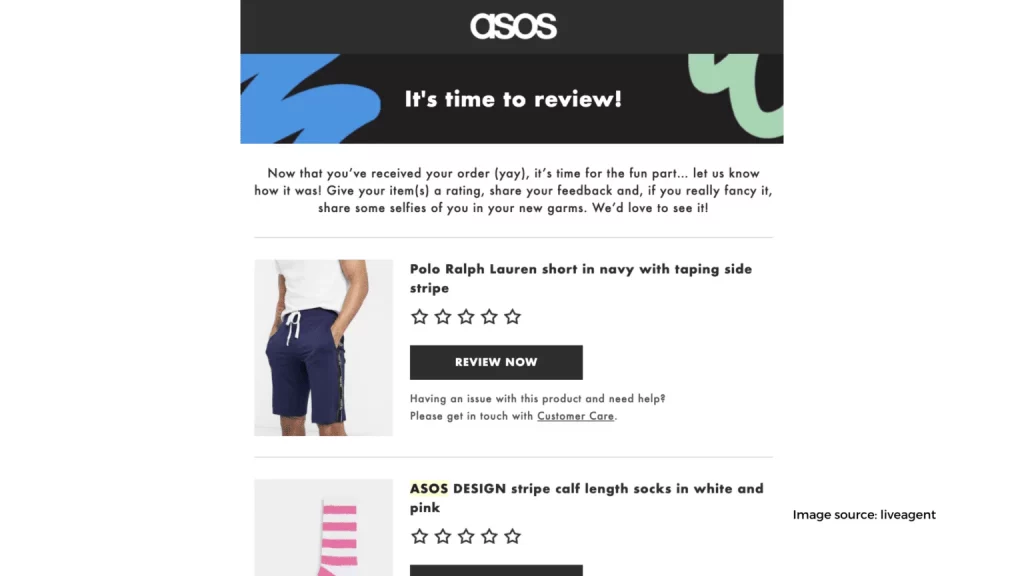
4. Feedback Email
Feedback emails may be obtained at various points throughout a customer's journey. The following are the two most frequent:
After they make a purchase
After any customer service interaction
Feedback emails assist you to do three very important things:
Reassure the consumer that they can discuss them through the portal if they have any worries.
Identify the customer's uncomfortable points and address them
Gather testimonials for your work and business
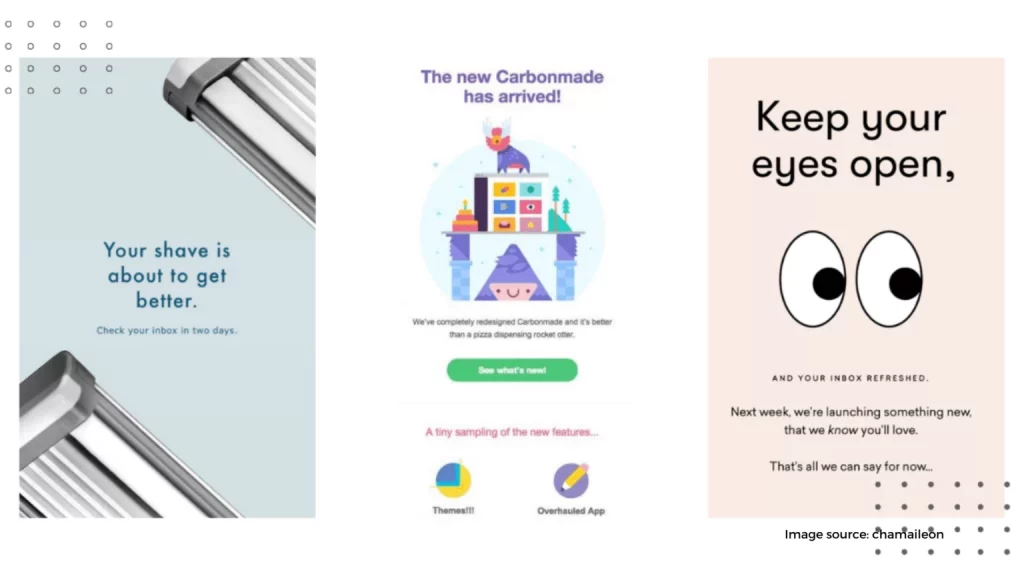
5. New Product Launch Update
You can engage your customers and demonstrate that you've created something they need and can help them address their issues by using an effective product launch email.
These emails should have the following components:
What's the new product about? Include the name
How can someone try it? A clear CTA, preferably above the fold
Benefits of this product
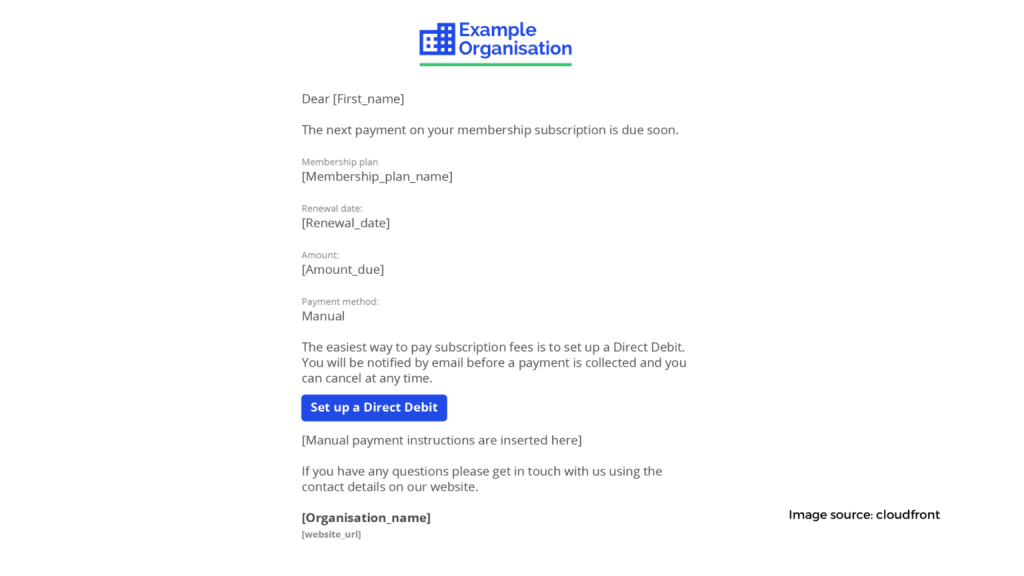
6. Renewal Reminders
Other than those who are extremely organized or have personal assistants, the rest of us need a gentle nudge to remember things.
Anyway, you should send a renewal reminder to those for whom the expiration date is fast approaching.
They can be reminded at least three times before they must renew, the policy expires, or they notified specifically that they do not want to renew it.
Few tips to make this email work:
To get the maximum amount of information, ask them to send you copies of any relevant documents that they have.
Tell them of any benefits of renewing instantly
Since they are reading this email and considering renewing, what other thing can you upsell them? Include it in the email.
This can be automated according to the insurer's expiration date and other unique information such as name, policy number, etc.
Since you directly control it, not a social media platform company or a newspaper, an email is considered a formal notification.
If you want to inform your consumers or followers about anything, email is the most effective method.
Conclusion
Now that you've had a chance to think about what emails you'll send let's talk about how you'll do it.
One of the most effective methods to reach your subscribers is through software to manage and send bulk emails.
You may also utilize this tool to keep track of how many individuals open and click on links in your emails, which will assist you in assessing the efficacy of your material.
Loved What You Read? Stay Inspired!
Don’t miss out on exclusive insights, tips, and updates. Sign up now and be the first to explore fresh ideas!
Cold-calling volume is declining in effectiveness, wasting time and budget. The A.C.E.S.™ method replaces heavy dialing with five personalized, well-timed touches and a short silent window to boost recall and replies. Teams achieve equal or better meetings with fewer calls and higher efficiency.
What happens when sales reps get instant feedback instead of silence? Salesforce Arcade shows that making effort visible can boost daily dials by 25%—without new incentives, pressure, or burnout. Sometimes performance doesn’t need a new target, just a better experience.
Most sales emails stall because trust shows up too late. The Social-Proof Sandwich fixes that by placing testimonials right where decisions happen—mid-email—boosting replies and demos with smarter timing, not more words.
In modern B2B sales, interest peaks briefly and fades quickly. Teams that respond within minutes often shape the conversation, set expectations, and move opportunities forward. Clear response ownership, thoughtful use of automation, and timely human follow-up turn speed into a durable advantage.
Cold emails often fail not because the message is weak, but because it arrives before familiarity exists. By engaging thoughtfully with profiles and posts before sending an email, sales professionals can create warmer conversations, faster replies, and more natural first interactions.