8 Social Media Marketing Strategies for Insurance Agencies
September 22, 2021
Divya Dhawan
Social media is one of the most efficient and successful methods to interact with consumers and develop relationships with them. On the other hand, many insurance firms are still hesitant to incorporate social media marketing into their campaigns.
Social media is developing faster than ever, and insurance companies need to catch up to remain competitive.
Here are eight smart social media marketing strategies that can help you take advantage of the popularity of this developing trend:
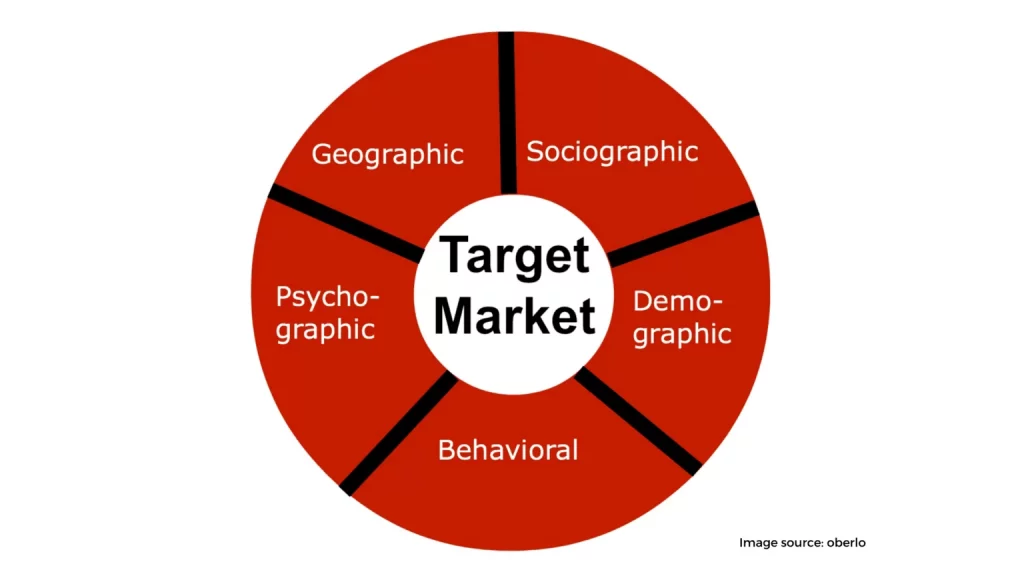
Assess How to Reach Your Target Market
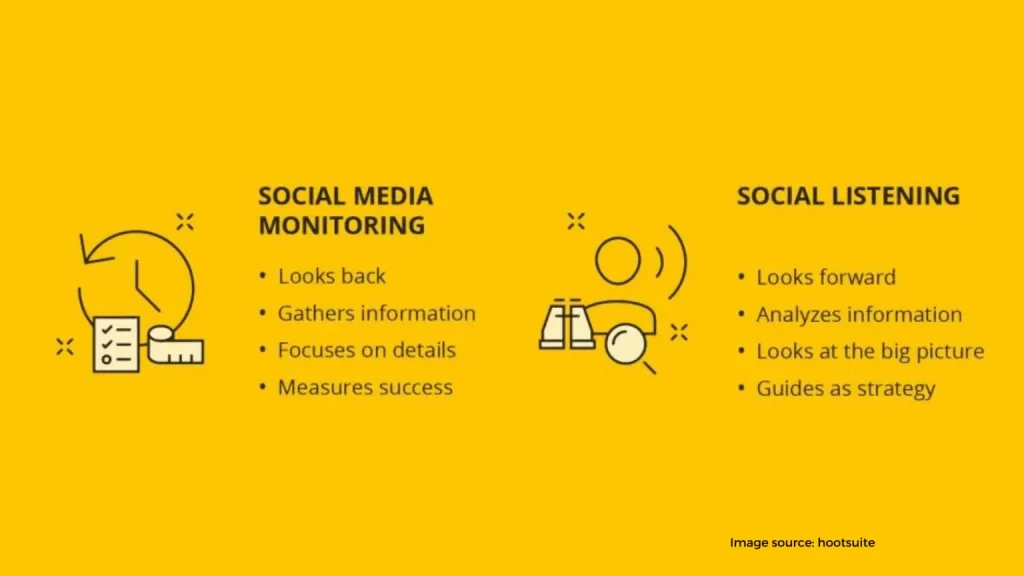
You might produce fascinating stuff, but it won't mean anything if you can't reach your target audience. You can monitor what's being said about your company online on every platform and in real-time, allowing you to react, evaluate, and respond. Find out which social media platforms your clients frequent will assist you in determining the most popular social networks among them. You may then optimize your targeted content to focus on these platforms to get the best return on investment.
Share Curated Content
Remember that you work for an insurance company rather than a content publisher. To connect with your consumers, you may produce original material. However, you should include industry thought leaders' articles regularly as well. It will assist you in forming relationships with reputable publishers. This will improve your exposure and allow you to appeal to a larger audience in your target markets.
Develop a Comprehensive Website
As an insurance firm with a social media presence, your website becomes a go-to location for current and potential customers alike. Create a comprehensive website with a chatbot function, as well. According to a Forbes article, chatbots have the potential to increase sales by up to 67 percent, and their simple implementation may significantly boost sales.
Create Relevant and Useful Content
This is one of the most important aspects of social media marketing. You can't simply produce content for the sake of filling up space. The content you share must be relevant and useful to your target market. This material will engage customers and encourage them to return for more. Whether you publish a blog entry or an infographic, it should be based on the "hot button" issues of the sectors you cover. Avoid producing merely advertising content. Customers should access material that informs and secures their most valuable possessions.
Focus On Customer Retention
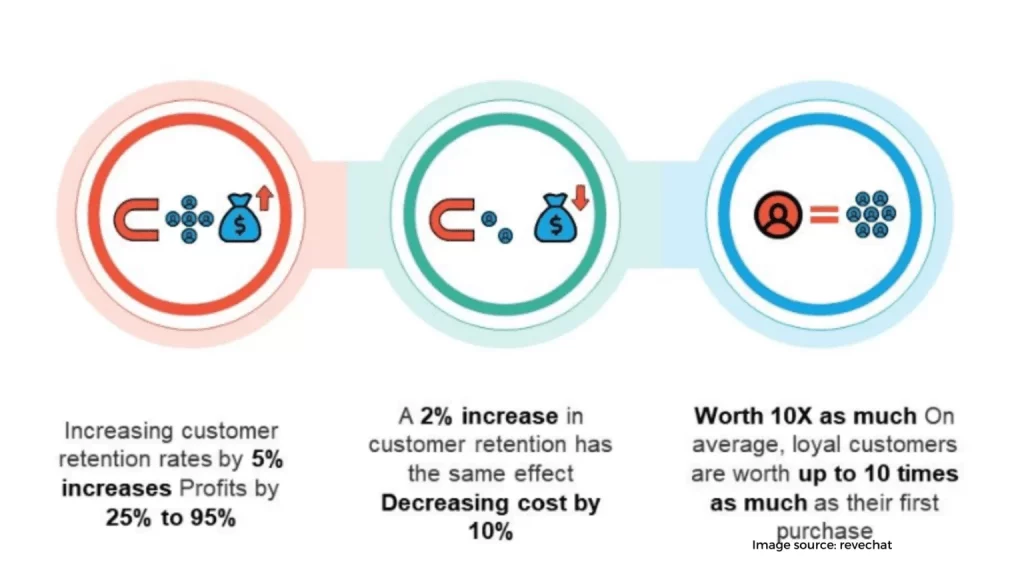
You can't solely focus on generating new consumers while disregarding your existing clients. You can only convert consumers via exceptional testimonials from your current customers while utilizing social media marketing to attract them. So, keep in mind to balance current and potential customers while creating a marketing plan.
Stay Authentic and On Brand
You must stay authentic while representing your company across social media. Your brand must be consistent on all platforms with no discrepancies. A mismatch between what is seen on social media and the company's official site can confuse customers.
Your digital presence and voice should sync with your organization's goals and mission statement. To get more readers, avoid subjects unrelated to your business. It may appear insincere and cause harm to your reputation.
Monitor Your Post Results and Modify
You may use tools like Facebook Insights or Google Analytics to see what subjects generate the most interaction on your page and what kind of material and media fueling discussion. It will assist you in comprehending your clients' demands and allow you to modify future postings to engage them better.
Nurture Leads
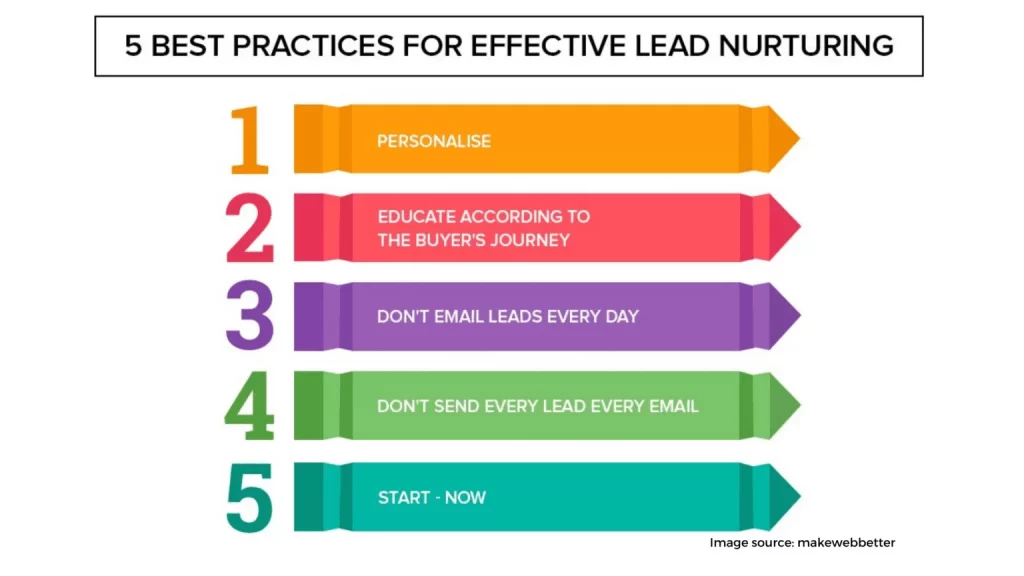
You may also utilize your social media presence to nurture leads. With welcome emails, keep your consumers informed about their current subscriptions and wish them happy holidays on certain days. It will help your users develop a stronger connection with your brand by providing them with a unique experience.
Conclusion
Your insurance company can successfully achieve its business goals using the social media marketing strategies mentioned. You must focus on creating relevant and useful content while nurturing leads and retaining customers. By doing so, your brand will develop a loyal following that will benefit your organization for years to come.
Loved What You Read? Stay Inspired!
Don’t miss out on exclusive insights, tips, and updates. Sign up now and be the first to explore fresh ideas!
Cold-calling volume is declining in effectiveness, wasting time and budget. The A.C.E.S.™ method replaces heavy dialing with five personalized, well-timed touches and a short silent window to boost recall and replies. Teams achieve equal or better meetings with fewer calls and higher efficiency.
What happens when sales reps get instant feedback instead of silence? Salesforce Arcade shows that making effort visible can boost daily dials by 25%—without new incentives, pressure, or burnout. Sometimes performance doesn’t need a new target, just a better experience.
Most sales emails stall because trust shows up too late. The Social-Proof Sandwich fixes that by placing testimonials right where decisions happen—mid-email—boosting replies and demos with smarter timing, not more words.
In modern B2B sales, interest peaks briefly and fades quickly. Teams that respond within minutes often shape the conversation, set expectations, and move opportunities forward. Clear response ownership, thoughtful use of automation, and timely human follow-up turn speed into a durable advantage.
Cold emails often fail not because the message is weak, but because it arrives before familiarity exists. By engaging thoughtfully with profiles and posts before sending an email, sales professionals can create warmer conversations, faster replies, and more natural first interactions.