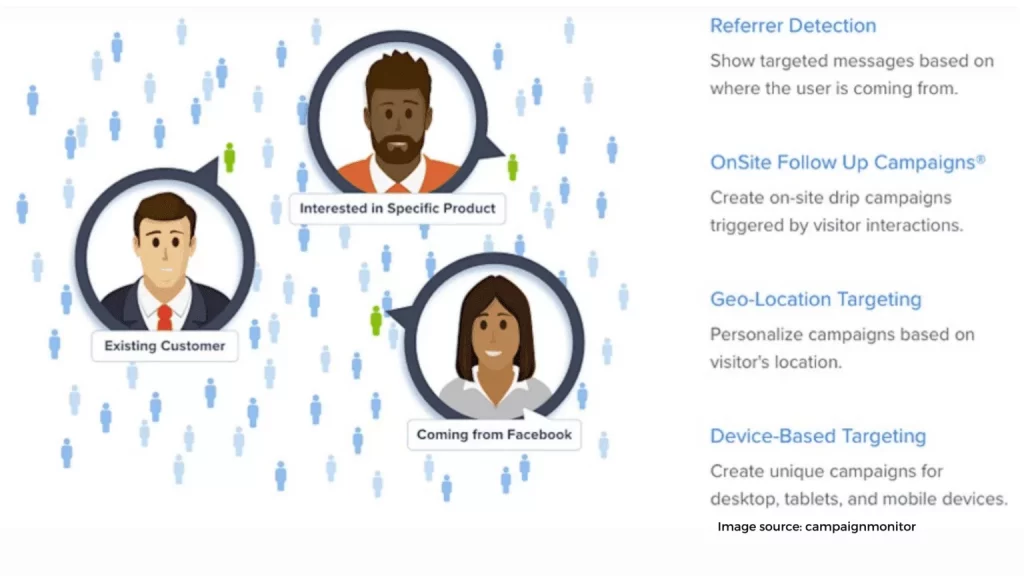
What are your plans for that email list once you've acquired it? After all, each client is distinct. The old-fashioned spray-and-pray system for email marketing has a low conversion rate compared to segmented email campaigns; more than three-quarters of all revenue generated by email marketing campaigns come from tailored ones.
It helps to know who your target audience is before you start developing targeted campaigns. Is your emphasis on industry, location, or buyer persona? There are hundreds of methods to reach out to possible customers and thousands of distinct results you may be pursuing. Let's look at a few stages involved when you create segments to get your desired results.
Determine your campaign focus
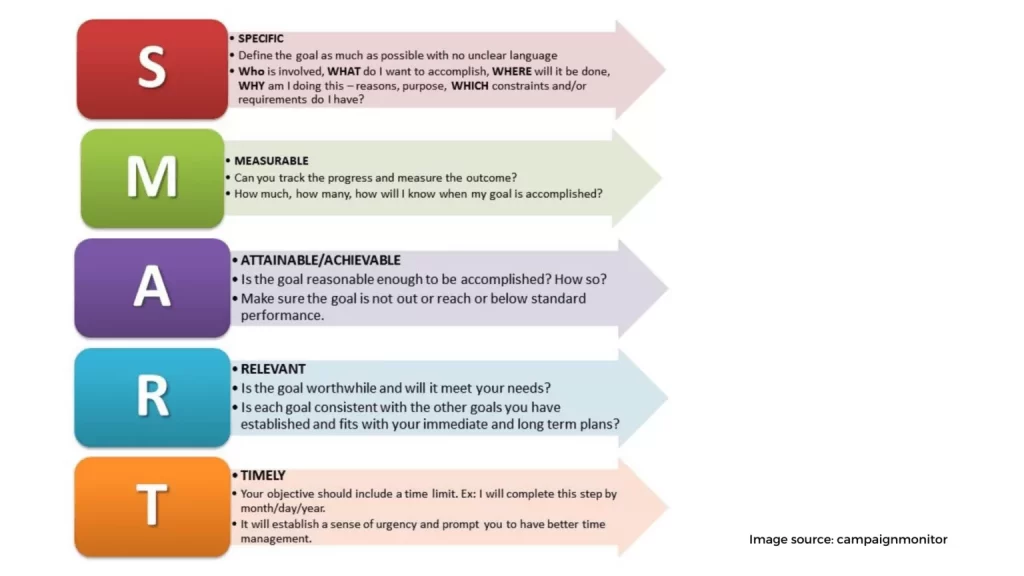
Don't get too far ahead of yourself with your email marketing campaign launch, but start by determining what you need to accomplish. For example, do you want to expand your market by targeting certain states or demographics? Do you wish to reach a specific segment of the public? Are you focusing on particular sectors? Knowing what you want to achieve with your segmented campaigns will aid in the creation of email segmentation strategies.
Research your audience
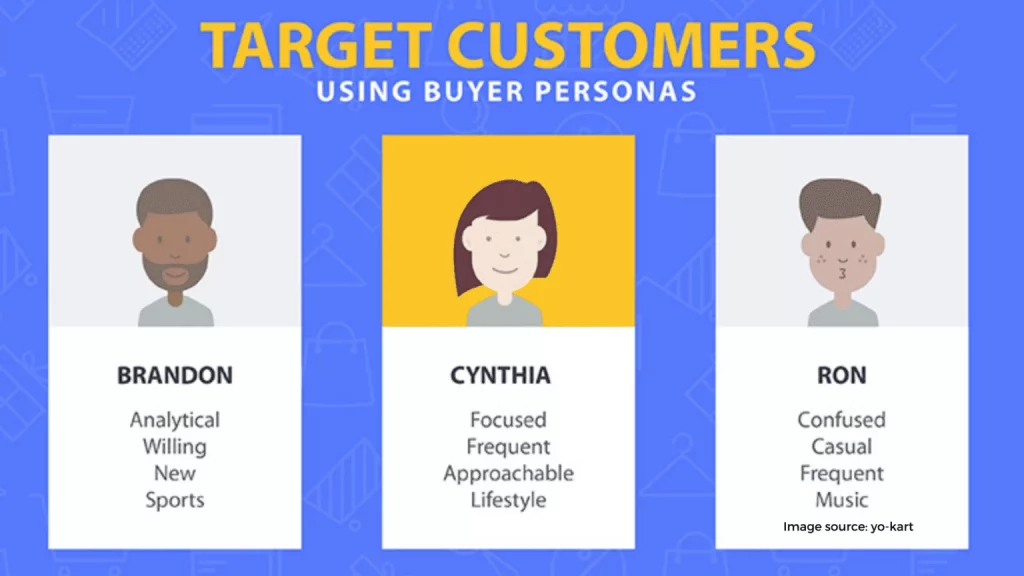
There are a variety of target audiences to choose from when segmenting email lists; therefore, there are many methods for segmenting them based on audience. For example, for B2B list segmentation, industry or organization type could be used; for B2C, you might look at buyer persona, gender, age, or location; or you may look at a variety of criteria including engagement levels, referrals, and a slew of other things. If you're using an email marketing provider, they'll be able to help you pick the most appropriate audiences for your email campaigns.
Stay dynamic
You must also maintain your email segmentation current and relevant in the same way that you must keep your email mailing lists up to date. Just because you got a high response rate on your last campaign doesn't mean using the same email segmentation ideas will work out the same way next time. Examine all of the data for each campaign to determine what worked and what didn't, so you can replicate the best ideas and eliminate the poor ones. You'll have to build out your database segmentation as you go, following market trends.
Communicate Precisely with the email subject line
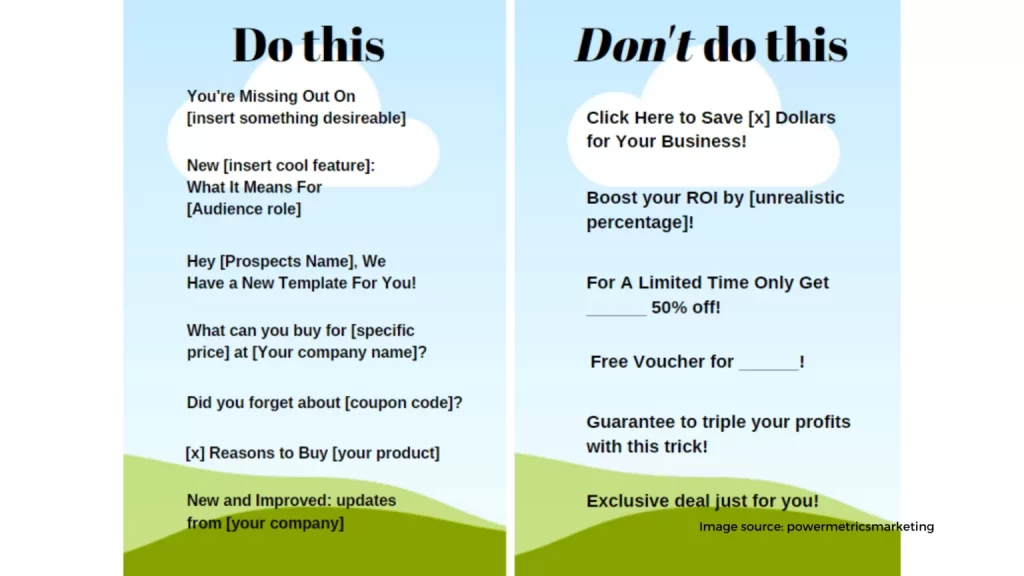
If you're looking for the best possible response rates, your email subject line is one of the most crucial aspects of your campaign. You can use it to express urgency or give a preview of what's inside the email. It could be tailored to target email subscribers who are in different stages of the buying cycle.
Revisit your audience choices
As mentioned above, don't get too attached to your initial ideas about segmenting email lists. If you find that a certain group isn't responding as well as expected, re-examine what you did and consider using other variables or changing the range for one of them (e.g., expanding the age range for a certain target audience, purchase history,). Remember, an email marketing strategy is the only form of inbound marketing that provides measurable results and allows you to track and refine your marketing strategies in real-time.
Create email marketing campaigns with an email marketing software
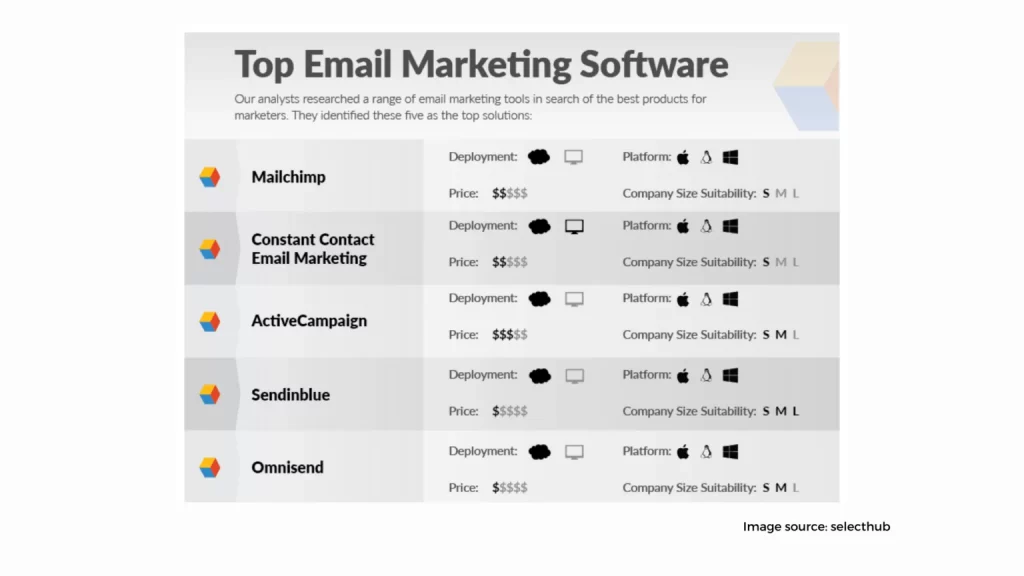
Create campaigns with email software that provides segmentation tools. Not only will you have the ability to build dynamic lists for each campaign, but you'll also save time with features that allow you to quickly change your criteria, test new ideas, and see real-time results. A good email service provider can help you define how to segment your lists, suggest the best options for each campaign, and offer analytics that will allow you to fine-tune your email marketing strategy.
Targeted email marketing remains one of the most cost-effective, useful, and efficient methods to communicate with large, targeted website visitors.
To achieve the best rates of open and click-through, as well as sale conversions, you must segment your email lists. There are endless methods for target audience segmentation, not to mention numerous ways to measure their responses. While it can seem overwhelming at first, it is more than possible with a little planning on your part.
Loved What You Read? Stay Inspired!
Don’t miss out on exclusive insights, tips, and updates. Sign up now and be the first to explore fresh ideas!
Cold-calling volume is declining in effectiveness, wasting time and budget. The A.C.E.S.™ method replaces heavy dialing with five personalized, well-timed touches and a short silent window to boost recall and replies. Teams achieve equal or better meetings with fewer calls and higher efficiency.
What happens when sales reps get instant feedback instead of silence? Salesforce Arcade shows that making effort visible can boost daily dials by 25%—without new incentives, pressure, or burnout. Sometimes performance doesn’t need a new target, just a better experience.
Most sales emails stall because trust shows up too late. The Social-Proof Sandwich fixes that by placing testimonials right where decisions happen—mid-email—boosting replies and demos with smarter timing, not more words.
In modern B2B sales, interest peaks briefly and fades quickly. Teams that respond within minutes often shape the conversation, set expectations, and move opportunities forward. Clear response ownership, thoughtful use of automation, and timely human follow-up turn speed into a durable advantage.
Cold emails often fail not because the message is weak, but because it arrives before familiarity exists. By engaging thoughtfully with profiles and posts before sending an email, sales professionals can create warmer conversations, faster replies, and more natural first interactions.