Utilize Social Media to Grow your Insurance Business
October 4, 2021
Divya Dhawan
Social media may be a useful tool for insurance agents. These suggestions can help you connect with your customers, generate new leads, and attract new consumers.
Do you already have a Facebook or LinkedIn profile, but are you using it to its full potential?
Insurance agents are always on the lookout for new consumers and innovative ways to find them, so if you're not employing social media as a marketing tool, you're losing out.
Thousands of potential insurance customers may be found through social media. Even better, you can do this for little money and work. The key is to avoid the hard sell and keep in mind social media's "social" aspect.
Follow these suggestions to make your social media presence into a beneficial marketing tool for both consumers and prospects:
Find a meaningful way to connect
Consumers expect to engage with brands and businesses more personally on social media.
To build that bond, agents must create content that engages their audience. Here are a few ideas for making personal connections with your clients:
Introduce yourself and your staff. On Facebook or Instagram, create mini-profiles of yourself and your agents. You should describe your insurance background and the services you provide in your profiles. Also, remember to include a decent photograph.
Post relevant articles and events. Engage prospects by posting stories and events that might interest them. Insurance, small business, and cost-cutting suggestions are just a few topics that might be covered.
Demonstrate your community involvement. Is your company involved in charity runs, or does it give to non-profits? Social media is the best way to show how much your organization cares about its local area.
Share your knowledge. Create LinkedIn postings that demonstrate your knowledge in a certain area and distribute them with your network. This may assist clients in trusting you and establishing you as an industry leader.
Take full advantage of software and other tools
You may believe that your busy schedule will prevent you from investing time in social media marketing. However, promoting your services via social media is one of the most effective and inexpensive methods to do so.
Even so, there are several ways to make social media interaction easier. Make the most of your social media interactions with these methods:
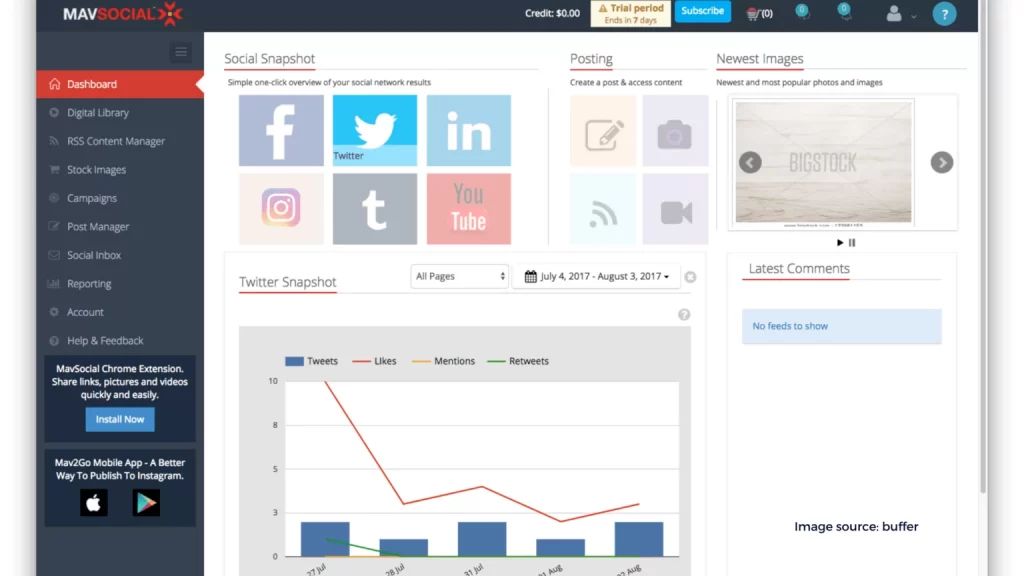
Use social media management software. If you don't have time to submit updates on social media regularly, Hootsuite and Buffer might assist. Both provide free tiers that allow you to publish posts at set intervals, both before and after holidays or topics related to your agency's specialty.
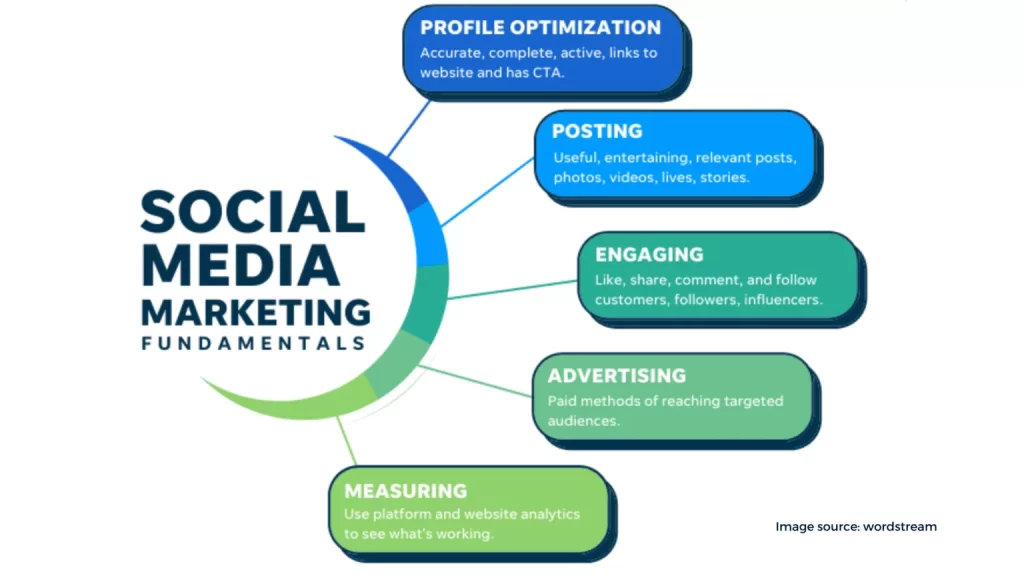
Buy ads on social media. Paid advertising may also assist you in reaching the market of social media users. You can target your ideal consumer on social media. Facebook advertisers, for example, can determine demographics, format their advertisements, and analyze their results. Make sure you pick the most popular social media platform among your target demographic.
Connect with influencers. A positive mention from a prominent YouTuber or blogger might significantly improve your brand's reputation. Engage with a large following on relevant publications, blogs, and social media platforms.
Leverage your social media network for leads
You may create a stronger social network, engage with your consumers more effectively, and become an authority by doing some legwork.
Your ultimate social media marketing objective should turn your postings into profits. So, to do so, how can you go about it? Make and nurture leads by utilizing the following methods:
Optimize your profile. Customers need to know what you do and how to contact you. That implies your social media profiles should clarify your services and include contact information, such as a phone or email address.
Contact the decision-makers. To get past the gatekeepers and connect directly with the people in charge of spreading the word, use LinkedIn Premium.
Track brand mentions. Do you know who is talking about your company on the internet? You might fall behind if you don't know who's talking about you on social media. Social media management software may assist you in keeping track of conversations regarding your firm.
Create a contest. Consider running a contest on your blog, especially if you're promoting it on social media. A contest is a fantastic way to get people interested in what you have to offer. You can use the information gathered from contests to promote your material more effectively online and offline. Remember to double-check your state's rules before you start planning your contest to make sure you aren't breaking any privacy or other laws.
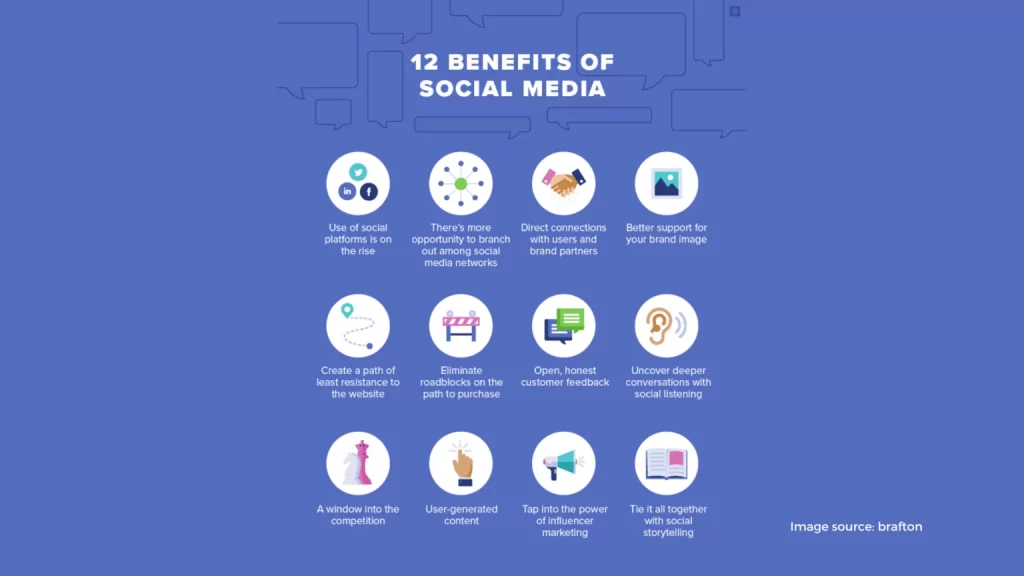
Social media is an effective, inexpensive tool for connecting with clients who may not otherwise be accessible. A social media campaign might help you find new consumers and enhance your company's recognition. If done well, it may help you develop a long-term relationship with your clients that will ensure continued business.
Loved What You Read? Stay Inspired!
Don’t miss out on exclusive insights, tips, and updates. Sign up now and be the first to explore fresh ideas!
Cold-calling volume is declining in effectiveness, wasting time and budget. The A.C.E.S.™ method replaces heavy dialing with five personalized, well-timed touches and a short silent window to boost recall and replies. Teams achieve equal or better meetings with fewer calls and higher efficiency.
What happens when sales reps get instant feedback instead of silence? Salesforce Arcade shows that making effort visible can boost daily dials by 25%—without new incentives, pressure, or burnout. Sometimes performance doesn’t need a new target, just a better experience.
Most sales emails stall because trust shows up too late. The Social-Proof Sandwich fixes that by placing testimonials right where decisions happen—mid-email—boosting replies and demos with smarter timing, not more words.
In modern B2B sales, interest peaks briefly and fades quickly. Teams that respond within minutes often shape the conversation, set expectations, and move opportunities forward. Clear response ownership, thoughtful use of automation, and timely human follow-up turn speed into a durable advantage.
Cold emails often fail not because the message is weak, but because it arrives before familiarity exists. By engaging thoughtfully with profiles and posts before sending an email, sales professionals can create warmer conversations, faster replies, and more natural first interactions.