In the world of mortgage marketing, trust and credibility are everything. Mortgage clients want to work with agents who can provide not only the best rates but also a seamless experience throughout the loan process. While many agents rely on word-of-mouth and text-based reviews, a powerful, often underutilized tool can elevate your marketing game to new heights—video testimonials.
With the rise of video content consumption across social media platforms and websites, video testimonials have become a game-changing marketing asset. These testimonials not only showcase your expertise but also allow potential clients to connect emotionally with the experiences of others. The authenticity of seeing and hearing a satisfied customer speak about their positive experience can significantly influence a potential client's decision to choose you as their mortgage agent.
In this blog, we'll explore why video testimonials outperform traditional reviews, how you can use them effectively in your mortgage marketing, and the incredible impact they can have on your business.
1. The Power of Testimonials in Mortgage Marketing
In any industry, testimonials are a powerful way to build credibility, but in the mortgage industry, where financial decisions are substantial and long-lasting, trust is even more critical. For prospective borrowers, choosing the right mortgage agent can be daunting, and client testimonials provide reassurance that they are making the right choice.
Why Testimonials Matter in Mortgage Marketing
Testimonials from satisfied clients serve as social proof that your mortgage services deliver results. Unlike marketing copy that originates from your business, testimonials come directly from customers who have used your services and experienced the benefits firsthand. They carry more weight because they are seen as unbiased endorsements from real people.
Additionally, mortgage decisions often come with emotional stress—first-time buyers may feel overwhelmed, investors might be seeking financial clarity, and those refinancing may have concerns about rates and costs. Testimonials that highlight how you helped clients overcome these challenges give potential leads a sense of relief that they are in good hands.
Building Trust Through Testimonials
When potential clients see positive feedback from others who were once in their shoes, it becomes easier to build trust. They’ll know that others have successfully navigated the same hurdles with your help. This is particularly true when testimonials touch on specific pain points or concerns, such as securing a mortgage with a low credit score, navigating complex loan options, or achieving fast loan approvals.
2. Why Video Testimonials Outperform Text-Based Reviews
While text-based testimonials are helpful, video testimonials take the power of social proof to another level. A well-crafted video testimonial does more than just tell a story—it shows it. The visual and auditory elements of video make it a more compelling format for capturing attention and building trust.
The Visual and Emotional Appeal of Video Testimonials
Video testimonials engage multiple senses, making them more effective at conveying emotion and authenticity. Seeing a real client speak about their experience, hearing the sincerity in their voice, and witnessing their body language creates a connection that’s difficult to achieve with text alone. These elements add layers of credibility that make the viewer feel more confident in the testimonial’s authenticity.
Moreover, video helps communicate nuance. A client’s facial expressions and tone of voice reveal their emotions in ways that text cannot. A smile or a tone of relief after explaining how you helped them secure their dream home has a profound impact on the viewer.
Higher Engagement Rates with Video
Video content has been shown to have higher engagement rates than other types of content. Social media platforms like Facebook and Instagram prioritize video content in their algorithms, meaning that videos often get more visibility and interaction than static posts. On websites, video testimonials have been proven to keep users on the page longer, increasing the chances of conversion.
3. How to Create Effective Video Testimonials
Creating compelling video testimonials requires a thoughtful approach. You’ll need to choose the right clients, ask the right questions, and ensure that the production quality is high enough to reflect your brand professionally.
Choosing the Right Clients
Not every client will make a good testimonial subject. The best candidates are those who are articulate, comfortable on camera, and have a positive story to share. Ideally, choose clients who reflect the types of leads you want to attract. For example, if you specialize in first-time homebuyers, feature testimonials from people who went through that process with your help.
Storytelling Approach: Problem-Solution-Results
A good testimonial isn’t just a generic statement like “They were great!” It should follow a storytelling structure that highlights a specific challenge the client faced, how you helped them solve it, and the positive outcome they achieved.
Here’s an example:
Problem: “We were struggling to find a lender who would approve us because of our credit score.”
Solution: “Our mortgage agent worked with us every step of the way, helping us understand what we needed to do to improve our chances.”
Result: “In the end, we were approved, and we’re now living in our dream home!”
Questions to Ask
To ensure the testimonial hits the right points, provide the client with questions ahead of time. Here are some examples:
What were the main challenges you faced in getting a mortgage?
How did our team help you navigate the process?
What was the outcome, and how do you feel now?
Would you recommend us to others, and why?
Production Tips
While professional-quality video is ideal, it’s not always necessary. A smartphone with good lighting and sound can produce a clear and engaging testimonial. However, if you’re aiming for a more polished look, consider hiring a videographer or using an editing tool to enhance the video with graphics, captions, or background music.
4. Where to Use Video Testimonials for Maximum Impact
Knowing where to place video testimonials is key to maximizing their effectiveness. Different platforms and marketing channels offer various opportunities to showcase these powerful testimonials, helping you reach your audience at different stages of the buyer’s journey.
On Your Website
The most obvious place for video testimonials is on your website. Place them on high-traffic pages like the homepage, services page, and contact page. Video testimonials work particularly well on landing pages, as they provide immediate social proof to visitors who are considering your services.
Social Media
Social media platforms like Facebook, Instagram, LinkedIn, and YouTube are perfect for sharing video testimonials. Regularly posting client testimonials allows you to engage with your followers while increasing your reach through shares, comments, and likes. These platforms’ algorithms prioritize video, ensuring that your content is more likely to be seen.
Email Campaigns
Including a video testimonial in your email campaigns can significantly boost engagement. Emails that include video content have been shown to have higher open and click-through rates. Use testimonials in follow-up emails to nurture leads who have shown interest but have yet to convert.
Landing Pages and Ads
Using video testimonials in your PPC ads or on landing pages is a great way to increase conversions. When potential clients see real people talking about their positive experiences, they are more likely to trust your services and move further down the sales funnel.
5. Leveraging Video Testimonials for Specific Mortgage Niches
One of the most powerful aspects of video testimonials is their versatility. They can be tailored to different client demographics or niches within the mortgage industry, allowing you to attract specific types of clients. By strategically gathering testimonials from various client groups, you can create targeted marketing content that speaks directly to your potential leads.
First-Time Homebuyers
First-time homebuyers often face a steep learning curve and may feel overwhelmed by the complexity of the mortgage process. A testimonial from a first-time buyer who successfully navigated the process with your help can resonate deeply with prospective clients in this category. Focus on how you simplified the mortgage process, explained the ins and outs of financing, and helped them secure their first home.
Example: "We were so nervous about buying our first home, but working with [Your Name] was a game-changer. They walked us through every step, explained everything in simple terms, and made sure we got a great deal on our mortgage."
Refinancing Testimonials
Refinancing can save clients money, but it’s often seen as a daunting or confusing process. Video testimonials from clients who have successfully refinanced can help demystify the process and showcase how you helped them secure a better deal, lower their interest rates, or shorten the term of their mortgage.
Example: "I didn’t think refinancing was an option for us, but [Your Name] showed us how much we could save. They made the entire process seamless, and now we’re paying less every month."
Real Estate Investors
Investors are typically more financially savvy, so your video testimonials should highlight your expertise in handling more complex mortgage needs, such as investment property loans, portfolio diversification, and favorable terms for long-term gains. These testimonials should focus on your ability to provide custom solutions for maximizing ROI.
Example: "As an investor, I need a mortgage agent who understands the market and can move quickly. [Your Name] has been instrumental in helping me finance multiple investment properties. Their expertise and quick turnaround times are unmatched."
6. Measuring the Success of Video Testimonials
Once you’ve integrated video testimonials into your marketing strategy, it’s important to track their effectiveness. Measuring the success of video testimonials involves monitoring key performance metrics that reveal how well they are engaging your audience and contributing to lead generation.
Key Performance Metrics to Track
1. Video Views: This is the simplest metric to track—how many people are watching your video testimonials? High view counts are a positive indicator that your videos are reaching your audience.
2. Engagement Rates: Look at the average watch time and whether viewers are watching your video testimonials in full or dropping off early. High engagement rates suggest that your videos are capturing and holding viewers' attention.
3. Click-Through Rates (CTR): If you’re using video testimonials in email marketing or on landing pages, monitor the CTR to see how many people click on a link or CTA after watching the video. A high CTR indicates that viewers are compelled to take action.
4. Conversion Rates: Ultimately, the goal of video testimonials is to convert leads into clients. Measure how many viewers of your video testimonials go on to fill out a contact form, schedule a consultation, or apply for a mortgage.
5. Social Media Shares: Track how often your video testimonials are shared on social media. Shares increase your content’s reach and serve as an indicator that your audience finds the testimonials valuable.
A/B Testing Video Testimonials
A/B testing is a great way to measure the effectiveness of video testimonials compared to other content formats. For example, create two landing pages—one with a video testimonial and one with a text-based review—and track which one generates more conversions. This can help you determine which types of testimonials work best for your audience.
7. Common Mistakes to Avoid with Video Testimonials
Video testimonials are a powerful tool, but they must be done right to maximize their impact. Here are some common mistakes to avoid when creating and using video testimonials in your mortgage marketing strategy.
Over-Editing
While it’s important to ensure good production quality, over-editing a video testimonial can make it seem less authentic. Clients should come across as genuine and relatable, and excessive editing (such as cutting out natural pauses, adding too many effects, or polishing the video too much) can detract from the sincerity of the message.
Solution: Keep editing to a minimum. Focus on clear audio and video quality, but don’t remove the natural flow of the conversation or overproduce the final product.
Lack of Storytelling
Some video testimonials can fall flat because they don’t tell a story. Generic statements like "They did a great job" don’t have the same emotional pull as a detailed narrative. Testimonials that lack a problem-solution-results framework often fail to resonate with potential leads.
Solution: Guide your clients through the testimonial by asking them to describe their initial concerns, how you helped them overcome challenges, and what the final outcome was. This approach tells a compelling story that viewers can relate to.
Ignoring the Client’s Perspective
Focusing too much on your services rather than the client’s experience can be a turn-off for viewers. The testimonial should revolve around the client’s journey, their emotions, and how they felt throughout the process—not just on your services.
Solution: Encourage clients to focus on how they felt throughout the mortgage process and how your help made a difference in their journey. Viewers are more likely to connect emotionally with the client’s perspective than with a service rundown.
Poor Production Quality
While it’s true that you don’t need Hollywood-level production, videos with poor lighting, shaky camera work, or bad audio can detract from the message. These distractions can make it difficult for viewers to focus on the content and may even make your business seem less professional.
Solution: Invest in basic video production equipment or hire a professional videographer. Ensure the video has good lighting, clear audio, and stable framing, even if it’s filmed with a smartphone.
Video testimonials are one of the most powerful tools mortgage agents can use to build trust, connect emotionally with potential clients, and drive conversions. Unlike text-based reviews, video testimonials offer an engaging, authentic, and highly effective way to showcase your expertise and success stories. Whether you’re helping first-time homebuyers, refinancers, or real estate investors, video testimonials allow your clients’ experiences to speak for themselves, providing the social proof that potential leads need to choose your services.
By strategically placing video testimonials on your website, social media, email campaigns, and landing pages, you can reach your audience where they are and provide them with the reassurance they need to move forward with their mortgage decisions. Don’t forget to measure the effectiveness of your video testimonials and refine your approach to maximize engagement and conversions.
In today's digital age, insurance agents say that social media is crucial for their business growth, with Facebook leading the pack as the most influential platform. As the insurance landscape becomes increasingly competitive, agents who harness the power of social media stand a better chance of connecting with prospective buyers and building lasting relationships.
With its 2.9 billion monthly active users, Facebook remains a dominant force in the social media world, offering unparalleled opportunities for businesses to reach and engage with their target audience. For insurance agents in the United States, Facebook isn't just a platform for social interaction—it's a vital marketing tool that can drive lead generation, brand awareness, and client retention. As we move into 2024, understanding how to utilize Facebook's features and algorithms effectively is more critical than ever.
This article provides insurance agents with actionable tips to maximize their presence on Facebook in 2024. Whether your goal is to draw in new customers, retain current ones, or increase brand awareness, these strategies might assist you in staying on top of things as the digital world changes.
1. Optimize Your Facebook Business Page
Optimizing your Facebook Business Page is vital for establishing a solid online presence, especially for insurance agents looking to connect with clients in 2024. Here's how to make sure your page stands out:
Profile and Cover Photos
When someone visits your page, they immediately notice your profile and cover photos. To create trustworthiness and a feeling of human connection, use a professional headshot as your profile picture. Select a cover photo that embodies the ideals of your brand. It could be a high-quality image of your office, a cityscape representing your location, or a graphic highlighting your services. Make sure the colors and style are consistent with your overall branding.
About Section
The About section is where potential clients learn more about who you are and what you offer. Craft a clear and concise business description that immediately conveys your value. Make use of appropriate terms that members of your target audience may use, such as "insurance agent," "home insurance," "life insurance," or "coverage options." Highlight what sets you apart from competitors—whether it's your years of experience, specialized services, or customer-first approach. Ensure that your contact information is easy to find and up-to-date.
Call-to-Action (CTA) Button
The CTA button is one of the best tools for boosting engagement and conversions on your Facebook business page. Depending on your goals, choose a CTA that aligns with your business objectives. For insurance agents, options like "Get a Quote," "Contact Us," or "Learn More" are perfect. This button should lead directly to a landing page where potential clients can easily take the next step—whether that's filling out a form, scheduling a consultation, or requesting more information.
Regular Updates
Keeping your Facebook Business Page active with regular updates is key to staying top of mind with your audience. Aim to post at least a few times a week, sharing a mix of content that educates, informs, and engages. This could include blog posts, client testimonials, industry news, or tips on choosing the right insurance coverage. Consistent updates let Facebook's algorithm know that your page is relevant and active, which might help you show up higher in consumers' news feeds.
By following these tips, you can create a Facebook Business Page that looks professional and effectively attracts and engages your target audience.
To know more about how to optimize your Facebook page, read the article.
This resource offers detailed advice on how insurance agents can enhance their Facebook presence.
2. Leverage Facebook Ads
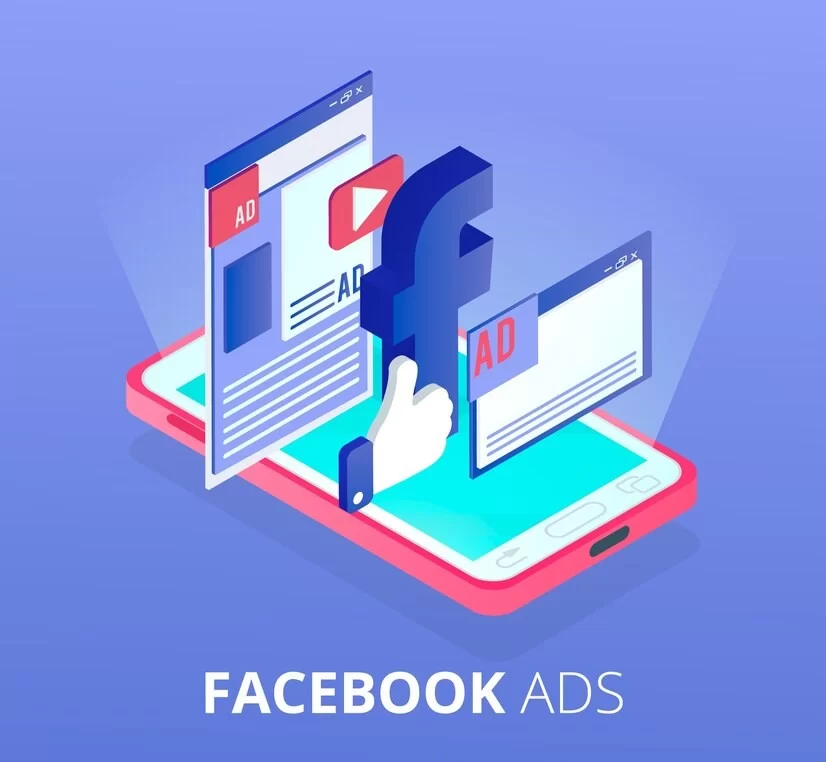
Facebook Ads provide insurance agents with a powerful tool to reach and engage potential clients in 2024. Below are key strategies to optimize your Facebook advertising efforts:
Ad Formats
Facebook offers various ad formats that can cater to different campaign objectives:
Carousel Ads: Display several products or services in a single advertisement.
Video Ads: Engage your audience with informative and visually appealing content.
Lead Ads: Let users fill out forms directly on Facebook to streamline the lead generation process.
Choosing the correct ad format is essential for aligning with your campaign goals. For example, carousel ads might be ideal for highlighting different insurance products, while video ads can be used to explain complex concepts like policy coverage.
Budgeting Tips
Budget management is critical for maximizing ROI on Facebook Ads. Set a budget in Facebook Ads Manager, either daily or lifetime. Facebook's automated pacing feature will help ensure your ads are distributed evenly over your chosen time period. Additionally, experimenting with different bidding strategies, such as cost caps or highest-value bids, can optimize your spending based on your campaign objectives. Regularly monitor performance and adjust your budget to focus on the best-performing ads.
Tracking and Analytics
Facebook's analytics tools are indispensable for tracking ad performance. Use Facebook Pixel to measure conversions and refine your targeting strategies. Key metrics to monitor include engagement, click-through, and conversion rates. By analyzing this data, you can continuously tweak your campaigns to improve results and reduce ad spend on underperforming ads.
These strategies will help you effectively leverage Facebook Ads in 2024, ensuring your campaigns are targeted, engaging, and cost-efficient.
To know more about how you can leverage Facebook Ads, read this article.
If you're looking to combine organic content with paid strategies, this article dives into Facebook ads best practices for insurance agents.
3. Creating Engaging Content for Facebook
Educational Posts
Sharing tips, guides, and informative content establishes your agency as a trusted resource. Educational posts, such as explaining complex insurance terms in simple language or offering tips on choosing the right policy, assist in deconstructing insurance for your readers, making them more receptive to your material and inclined to believe in your knowledge.
Post regular tips on insurance-related topics, like the importance of life insurance or the benefits of bundling policies. Consider creating a series of short posts that break down common insurance myths.
Client Testimonials and Success Stories
Testimonials and success stories humanize your brand and build trust. When prospective clients see real-life examples of how you've helped others, they are more likely to trust you with their own insurance needs.
Share short, authentic stories from satisfied clients. Pair these stories with high-quality images or videos to make them more compelling. Make sure to highlight the specific benefits the client experienced from working with your agency.
Interactive Content
Interactive content like polls, quizzes, and live videos engage your audience more deeply than static posts. They encourage participation and can increase the visibility of your content due to higher engagement rates.
Create polls that ask your audience about their insurance preferences or concerns. Host live Q&A sessions where you answer common insurance questions. Quizzes that assess a person's insurance knowledge or needs can also be both fun and informative.
Content Calendar
Retaining exposure and interaction on Facebook requires consistency. A content calendar helps ensure that you're posting regularly and at optimal times, which can increase your reach and engagement.
Plan your posts at least a month in advance. Use a calendar to schedule posts on different topics throughout the week. To maintain a lively and captivating feed, including a blend of informative articles, user reviews, and interactive postings.
By following these guidelines and utilizing the strategies outlined in the related articles, you can create a strong Facebook presence that engages your audience and drives business growth.
4. Utilizing Facebook Groups for Insurance Agents in 2024
Join Relevant Groups
Insurance agents should actively participate in Facebook groups where their target audience frequents. These groups provide a space to connect with potential clients over shared concerns like life insurance needs, financial planning, or healthcare options. When you participate in these groups, you can answer questions, share insights, and build trust with group members, leading to organic lead generation. Following the group's rules and providing value without being overly promotional is also essential.
Create Your Own Group
Creating a Facebook group specifically for your clients and prospects allows you to build a community around your brand. This group can serve as a hub for discussions on insurance-related topics, updates on policy changes, and exclusive content that positions you as a thought leader in the industry. Members should feel free to share their stories and ask questions in the group. This will promote a feeling of community and brand loyalty.
Engagement Strategies
To keep your Facebook group lively and interested, post insightful stuff regularly, such as news from the business, advice, and learning materials. Hosting live Q&A sessions or webinars within the group can further enhance engagement and provide members with real-time information. Furthermore, you can customize your services to fit the demands of your audience by using polls, surveys, and interactive postings to comprehend their needs and preferences on a deeper level.
5. Use Facebook Messenger for Direct Communication
Chatbots: Automate Your Responses
Chatbots are invaluable for insurance agents looking to streamline customer service on Facebook Messenger. These AI-powered assistants can handle routine inquiries, such as quoting requests, appointment scheduling, and policy information, without the need for human intervention. Setting up chatbots ensures that clients receive instant responses to their questions, enhancing their experience and freeing up your time to focus on more complex tasks. The secret is creating the chatbot to respond to the most common queries clearly and concisely, ensuring it reflects your brand's tone and professionalism.
Personalized Outreach: Connect on a Personal Level
While automation is powerful, personalized communication remains crucial, especially in the insurance industry, where trust is a significant factor. Facebook Messenger allows you to send tailored messages directly to leads, providing a more personalized approach. Whether you're following up on a lead from a recent inquiry or reaching out to existing clients with updates on their policies, Messenger offers a less formal but highly effective channel to connect. Make your correspondence more individualized by using the client's name, referencing their specific needs or past interactions, and offering solutions that cater directly to them.
Lead Nurturing: Guiding Clients Through the Sales Funnel
Lead nurturing is critical to converting prospects into clients, and Facebook Messenger can play a vital role in this process. Use Messenger to follow up with leads after their initial contact, whether through automated sequences or personalized messages. Provide them with instructional materials, including articles or videos that describe various insurance products, and don't forget to remind them of deadlines or policy renewals. By providing ongoing value through Messenger, you keep your leads engaged and more likely to choose your services when they decide. Additionally, since Messenger is more personal and immediate than email, it often has higher open and response rates, making it a potent tool in your lead nurturing strategy.
To know more about how to use Facebook messenger, read this article.
6. Run Facebook Contests and Giveaways
As an insurance agent, holding freebies and contests on Facebook is a great way to increase reach and enhance engagement. These campaigns can attract new followers, generate leads, and even turn participants into loyal clients. Here's how you can effectively run Facebook contests and giveaways while staying compliant with platform rules:
Engagement Boost
Facebook contests and giveaways are known for significantly increasing engagement. By offering a prize, you incentivize people to interact with your page. Engagement through likes, shares, comments, and tags not only spreads your content to a wider audience but also improves your page's visibility due to Facebook's algorithm favoring interactive content.
Example: A simple contest asking followers to share their best insurance-saving tip in the comments can create a buzz, leading to higher interaction rates.
Compliance with Facebook Rules
It's essential to ensure your contest complies with Facebook's guidelines to avoid any penalties or removal of your contest post. Facebook has specific rules regarding promotions, which include:
Clear Terms and Conditions: Always provide clear contest rules, eligibility requirements, and terms and conditions. For example, specify the entry method (e.g., like and comment on the post) and mention that Facebook is not associated with the contest.
No Tagging Requirements: Facebook prohibits contests that require participants to tag themselves or others in a photo where they're not present. Instead, encourage sharing or commenting as a way to enter.
Avoid Misleading Promotions: Ensure that your prize is relevant to your audience and valuable enough to incentivize participation but not misleading in its representation.
By adhering to these guidelines, you continue to have a solid rapport with both the platform and your audience.
Prizes and Incentives
Choosing the right prize is crucial to the success of your contest. The prize should be relevant to your audience and ideally tie into your services as an insurance agent. For example, offering a free insurance consultation, a discount on insurance premiums, or a gift card to a popular retailer can be attractive incentives.
Consider the Audience: Know your target demographic. For instance, a younger audience might appreciate a gift card to a trendy online store. At the same time, older participants might be more interested in a discount on a home or auto insurance policy.
Highlight the Benefits: When promoting the contest, emphasize how the prize can benefit the winner. For example, "Win a free one-on-one insurance consultation to ensure your family's financial future is secure!"
Instill a sense of urgency in your followers to encourage participation. Limited-time offers or a countdown to the contest's end can increase participation rates.
7. Leverage Facebook Insights and Analytics
Understanding Your Audience
Facebook Insights provides an abundance of information about your audience, helping you understand who engages with your content and how they interact with it. By analyzing demographic data—such as age, gender, and location—you can tailor your posts to better resonate with your target audience. For example, suppose you discover that a significant portion of your audience comprises millennials. In that case, you might focus on creating content that appeals to their interests, such as tips on digital insurance tools or the importance of financial planning in their 30s.
Post Performance
Analyzing which posts perform best is crucial for refining your content strategy. Facebook Insights allows you to see how each post performs regarding reach, engagement, and clicks. Pay attention to patterns—what types of content get the most likes, shares, and comments? Are your audience members more engaged with video content, or do they prefer infographics? By identifying these trends, you can focus on creating more of what works and less of what doesn't.
Adjusting Strategy
The insights you gather should inform your ongoing marketing strategy. If you notice that posts made at certain times of the day receive higher engagement, adjust your posting schedule accordingly. Likewise, if you see that certain topics or content types consistently underperform, it may be time to rethink your approach. Regularly reviewing your Facebook Insights ensures that your strategy evolves based on real-time data, leading to better outcomes and a more engaged audience.
To read more about how to use Facebook Analytics, you can read this article.
This resource is perfect for insurance agents looking to leverage analytics to improve their marketing efforts.
8. Incorporate Video Marketing
In 2024, video content remains one of the most powerful digital marketing tools; it's a game-changer for insurance agents. Here's how to use Facebook video marketing to engage viewers and build relationships.
Live Videos
Using live videos can allow you to interact with your audience in real time. Hosting live Q&A sessions allows you to address potential clients' questions about insurance, build trust, and position yourself as an expert in the field. Consider scheduling webinars on topics like "Understanding Your Life Insurance Options" or "The Basics of Home Insurance." Additionally, you can offer a behind-the-scenes look at your agency, giving a human touch to your brand and making it more relatable.
Example: "Join us this Thursday at 6 PM for a live Q&A session on everything you need to know about auto insurance. Get your questions answered live!"
Explainer Videos
Short, informative videos that break down complex insurance topics can be incredibly effective. Create explainer videos that discuss various insurance products, such as "What is Term Life Insurance?" or "How Does Homeowners Insurance Work?" These videos educate your audience and help them make informed decisions, ultimately driving conversions. Keep the videos concise, engaging, and visually appealing to quickly capture the viewer's attention.
Example: "Check out our latest video explaining how disability insurance works and why it might be the right choice for you."
Storytelling
People connect with stories, and storytelling through video is a compelling way to build emotional connections with your audience. Share success stories of clients who were saved by having the right insurance coverage or create scenarios that illustrate the importance of being insured. Storytelling humanizes your brand and helps potential clients see the real-world impact of insurance, making it more relatable and memorable.
Example: "Watch this heartwarming story of how our insurance policy helped a family rebuild their lives after a devastating fire."
Incorporating video marketing in your Facebook strategy improves audience engagement and fosters closer ties with them. Video material, whether explainers, live videos, or narrative, may greatly increase your exposure and reputation in the insurance industry.
9. Promote Client Reviews and Testimonials
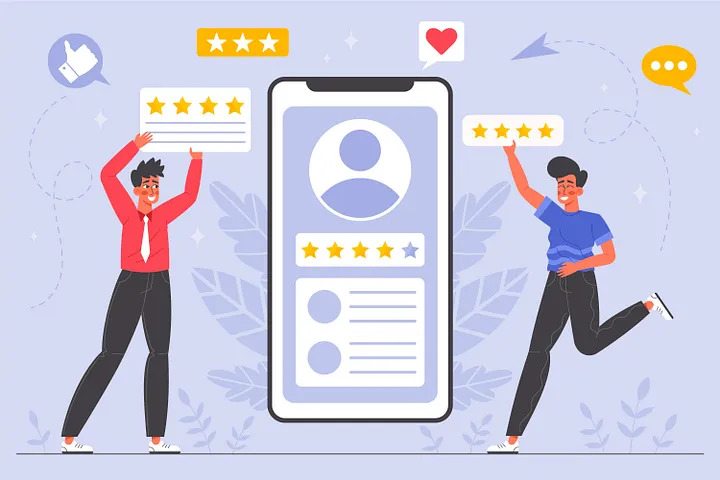
Encouraging Reviews
Client reviews are more than just feedback—they're powerful tools that can significantly impact your business's credibility and appeal. As an insurance agent, seeking out reviews from satisfied clients is essential. After successfully assisting a client, follow up with a simple request for a review on your Facebook page. You can automate this process by integrating it into your customer follow-up emails or text messages. Provide a direct link to your Facebook review section to make it as easy as possible for clients to share their experiences. Remind them that the community members in their area benefit from their input when making decisions concerning their insurance requirements.
Showcasing Testimonials
Once you've accumulated positive reviews, don't let them just sit unnoticed on your page—showcase them! Feature glowing testimonials in your Facebook posts and ads to build trust and authenticity. You can create visually appealing posts with quotes from satisfied clients, accompanied by their photos (with permission) or relevant imagery. Highlight specific aspects of their review that underscore your strengths, such as exceptional customer service, comprehensive coverage options, or quick claims processing. Regularly sharing testimonials reinforces your credibility and serves as social proof that can influence potential clients who are considering your services.
10. Staying Updated with Facebook Algorithm Changes
In 2024, staying ahead of Facebook's algorithm changes is crucial for maintaining content visibility and engagement. The Facebook algorithm has evolved to prioritize content that fosters meaningful interactions, emphasizes quality, and aligns with user preferences. Here's how you can adapt:
Understand the Algorithm's Focus on Engagement
Facebook's 2024 algorithm update places significant weight on content that generates meaningful interactions, such as comments, shares, and reactions. This means your posts should aim to spark conversations and emotional responses. Content that resonates deeply with your audience, such as client testimonials or engaging questions related to insurance, is more likely to be favored by the algorithm.
Embrace Quality Over Quantity
Although it could be tempting to post often, the algorithm now prioritizes content quality above quantity. Invest time in creating well-crafted posts that offer real value to your audience. High-quality, original content that educates or entertains your audience will likely see better reach and engagement.
Diversify Your Content Formats
The algorithm favors diverse content types, especially videos and interactive posts. Incorporating videos, particularly live videos, into your strategy can boost visibility. Additionally, using polls, quizzes, and other interactive elements can help keep your audience engaged.
Leverage Facebook Insights and Analytics
Keep a close eye on Facebook Insights to see what kinds of material your audience responds to the most. Using this data-driven approach, you may improve your plan of action and ensure that your content aligns with what your audience finds valuable.
Stay Informed and Adaptable
Algorithm updates are continuous, so staying informed about the latest changes is essential. Engage with industry news, participate in digital marketing forums, and follow Facebook's own updates to ensure you're always on top of new developments.
Concentrating on these methods may help insurance agents improve their Facebook marketing efforts and ensure that their material is seen and engaged even with the ever-changing algorithm.
To know more about how to stay updated with Facebook Algorithm, read this article.
Remember the essential tips we've covered: optimizing your Facebook Business Page, leveraging Facebook Ads, and creating engaging content are foundational. Engaging with Facebook Groups, using Messenger for direct communication, and running contests can significantly enhance your reach and client interaction. Don't forget the power of video marketing and promoting client reviews to build credibility. Lastly, maintaining visibility and effectiveness is crucial to staying updated with Facebook's ever-evolving algorithm.
The moment is ripe to begin implementing these methods. Whether you're new to Facebook marketing or looking to refine your existing approach, these tips will help you connect more effectively with your audience and grow your insurance business. Take action today, and watch as your Facebook presence transforms into a powerful client acquisition and retention tool.
Facebook is continuously evolving, and so should your strategies. If you keep up with the latest trends and are open to trying out novel strategies, you'll be in a good position to succeed in 2024 and beyond. Keep learning, keep experimenting, and keep connecting with your audience in meaningful ways.
The world of insurance marketing is rapidly evolving, and YouTube has emerged as a pivotal battlefield. For insurance agents, mastering YouTube strategies isn't just a trend; it's essential to thrive in the digital age. This guide explores how to leverage YouTube for insurance marketing, focusing on tactics for insurance agents to enhance their online presence.
Harnessing YouTube for Insurance Agency Growth
YouTube, with its vast audience, offers a unique opportunity for insurance agents to expand their reach. By adopting Insurance Agent YouTube Strategies, agents can create a digital persona that resonates with their audience, driving agency growth.
Crafting Engaging Content: Video Marketing for Insurance
Educational and Informative Videos: Providing value through informative content is key. Videos that demystify insurance concepts and offer insightful advice on policy selection can establish you as a thought leader in the insurance space.
Personal Stories and Client Testimonials: Sharing success stories and client testimonials can significantly boost your credibility. Real-life examples of how your services have impacted clients resonate well with viewers and help in building trust.
Interactive Sessions: Engaging with your audience through Q&A sessions or live discussions can enhance viewer interaction, making your channel more relatable and accessible.
Strategies for Boosting YouTube Visibility in Insurance
Implementing targeted strategies to enhance YouTube Visibility Insurance can exponentially increase your channel's reach. This includes optimizing your video titles, descriptions, and tags with relevant keywords and consistently delivering quality content that addresses your audience's needs.
Localizing Content: US Insurance Agent Marketing
Tailoring content to your local market is crucial. Discussing topics relevant to your specific geographical area can help you connect more authentically with your audience. This localization is an essential aspect of US Insurance Agent Marketing, as it allows you to address specific concerns and regulations pertinent to your client base.
Engaging the Community: Social Media for Insurance
Leverage other social media platforms to drive traffic to your YouTube channel. Sharing snippets of your YouTube content on platforms like LinkedIn, Twitter, and Instagram can attract a wider audience, funneling them towards your YouTube channel.
Embracing the Role of a Digital Insurance Agent
Transforming into a Digital Insurance Agent requires embracing new technologies and trends. This includes not only producing video content but also engaging with the latest digital marketing practices to stay ahead in the competitive landscape.
The journey to YouTube fame for an insurance agency involves a blend of creativity, strategy, and authenticity. By incorporating these insights into your marketing plan, you can transform your insurance agency's digital presence. Embrace the role of a digital insurance agent and unleash the power of YouTube to take your agency to new heights of success and visibility.
In the fast-paced and competitive insurance market of the USA, digital branding has become an indispensable tool for insurance agents. It’s no longer just about the services offered; it's about creating an online persona that resonates trust and professionalism. This comprehensive guide, exceeding 1000 words, explores key aspects of digital branding such as Instagram marketing, storytelling, overall digital marketing strategies, and the critical role of websites for insurance agents in the USA.
Instagram Marketing for Insurance Agents in the USA
In the realm of social media, Instagram stands out as a crucial platform for insurance agents aiming to enhance their digital presence in the American market.
In-depth Tips for Instagram Marketing:
Visual Appeal: Use high-quality images and videos that align with your brand image. This visual appeal is vital in capturing the attention of the audience.
Consistent Posting: Maintain a regular posting schedule to keep your audience engaged. This consistency helps in building a loyal following.
Engaging Content: Create content that engages and informs. This could include FAQs about insurance, insights into the insurance industry, and personal anecdotes that make your brand relatable.
Hashtag Strategy: Utilize relevant hashtags to reach a broader audience and increase discoverability.
Storytelling for Insurance Agents
Storytelling is an art that, when mastered, can significantly enhance an insurance agent’s ability to connect with clients.
Advanced Storytelling Strategies:
Personalize Stories: Share personal experiences or client anecdotes that highlight the importance of insurance in everyday life.
Visual Storytelling: Incorporate visual elements into your storytelling. This could be through video testimonials, storyboards, or infographics.
Emotional Connection: Craft stories that evoke emotions. People are more likely to remember and relate to content that touches them emotionally.
Digital Marketing for Insurance Agents
A comprehensive digital marketing strategy is vital for insurance agents to establish a robust online presence.
Expanded Digital Marketing Tips:
Integrated Marketing Campaigns: Develop integrated campaigns that span across various digital platforms like social media, email, and your website.
Content Marketing: Regularly publish informative and engaging content such as blogs, whitepapers, and e-books that establish you as a thought leader in the insurance field.
Social Media Diversification: Don’t limit yourself to one platform. Explore other social media channels like LinkedIn, Twitter, and Facebook to reach different segments of your audience.
Analytics and Adaptation: Regularly analyze the performance of your digital campaigns and adapt your strategies based on these insights.
Websites for Insurance Agents
A professional website acts as the digital storefront for an insurance agent, making its quality and content crucial.
Enhanced Tips for Website Development:
User Experience (UX) Design: Focus on creating a website with a seamless user experience. Easy navigation and fast loading times are key.
Interactive Elements: Incorporate interactive elements like calculators, chatbots, and contact forms to engage visitors.
Testimonials and Case Studies: Include client testimonials and case studies to build credibility and showcase your success stories.
Regular Updates: Keep your website updated with the latest information about your services, industry news, and blog posts.
Leveraging Google Reviews
Google reviews are a significant part of building an online reputation. They provide social proof and can influence potential clients’ decisions.
Strategies for Maximizing Google Reviews:
Active Solicitation: Actively encourage your satisfied clients to leave reviews.
Highlight Positive Reviews: Showcase positive reviews on your website and social media.
Address Negative Feedback: Address negative reviews professionally and promptly, demonstrating your commitment to client satisfaction.
Building an Online Community
Creating an online community can significantly enhance an insurance agent’s digital branding.
Community Building Tips:
Engagement: Regularly engage with your audience through comments, messages, and interactive posts.
Value-Added Content: Provide content that adds value to your community, like insurance tips, market updates, and Q&A sessions.
Online Events: Host webinars, live Q&A sessions, and virtual meetups to foster a sense of community.
The Role of SEO in Digital Branding
Search Engine Optimization (SEO) is crucial for enhancing the online visibility of insurance agents.
SEO Strategies:
Keyword Research: Conduct thorough keyword research to understand what your potential clients are searching for.
On-Page Optimization: Optimize your website’s content, titles, meta descriptions, and images with relevant keywords.
Content SEO: Regularly publish SEO-friendly content to improve your site’s ranking and visibility.
Utilizing Email Marketing
Email marketing remains a powerful tool for personal and direct communication with clients.
Email Marketing Enhancement Tips:
Personalization: Personalize emails based on client preferences and history.
Segmentation: Segment your email list to send targeted messages to different groups.
Consistent Communication: Regularly send newsletters, updates, and exclusive offers to keep your audience engaged.
Digital branding for insurance agents in the USA is a multifaceted and dynamic process. It requires a combination of effective Instagram marketing, compelling storytelling, a comprehensive digital marketing approach, a professionally designed website, strategic use of Google reviews, community engagement, SEO optimization, and targeted email marketing. By mastering these elements, insurance agents can establish trust with potential clients before the first handshake, paving the way for successful business relationships in the highly competitive insurance industry.
In the fast-evolving landscape of online marketing, TikTok has emerged as a game-changing platform, especially for sectors like insurance. For insurance agents, tapping into the power of TikTok can revolutionize how they connect with audiences, particularly younger demographics. This in-depth guide will unveil 51 TikTok secrets that are essential for insurance marketers looking to skyrocket their agency's growth.
The Rise of TikTok in Online Marketing
TikTok's meteoric rise in popularity has made it an unignorable force in online marketing. With its unique blend of short-form video content and a highly engaged user base, it offers a fresh, dynamic way to reach potential clients.
Why TikTok for Insurance Agents?
Unparalleled Reach: TikTok's vast user base provides insurance agents with access to a diverse audience.
Engagement Like No Other: The platform's high engagement rates mean more eyes and more interest in your content.
Younger Audience: It's the perfect platform to connect with younger demographics, who are future policy buyers.
51 TikTok Secrets for Insurance Agents
Know Your Audience: Understand the demographics of TikTok users – their interests, behaviors, and preferences.
Leverage Trends: Stay on top of TikTok trends and find creative ways to incorporate them into your content.
Create Authentic Content: Authenticity resonates with TikTok users. Showcase real stories and experiences.
Educational Content: Share informative videos about insurance policies, terms, and benefits.
Use Humor Wisely: A touch of humor can make insurance topics more engaging and relatable.
Consistency is Key: Post content regularly to maintain visibility and engagement.
Collaborate with Influencers: Partner with TikTok influencers to expand your reach.
Engaging Visuals: Use eye-catching visuals and effects to grab attention.
Short and Sweet: Keep your videos concise and to the point.
Use Hashtags Strategically: Utilize relevant hashtags to increase the discoverability of your content.
Storytelling Approach: Narrate stories that connect with viewers on a personal level.
Interactive Content: Create polls, challenges, and ask for user-generated content.
Leverage TikTok Ads: Explore TikTok's advertising options for broader reach.
Behind-the-Scenes Glimpses: Show the human side of your insurance agency.
Testimonial Videos: Share client testimonials and success stories.
Host Q&A Sessions: Address common insurance questions and misconceptions.
Tutorial Videos: Explain complex insurance concepts in simple terms.
Localize Your Content: Tailor content to local events, news, and cultural nuances.
User Engagement: Actively engage with comments and feedback on your posts.
Profile Optimization: Ensure your TikTok profile is professional and informative.
Track Analytics: Monitor the performance of your content and adjust strategies accordingly.
Cross-Promote: Share your TikTok content on other social media platforms.
Live Streams: Host live sessions to discuss insurance topics and interact with your audience.
Call-to-Action: Include clear calls-to-action in your videos.
Educate on Insurance Myths: Debunk common myths and misconceptions about insurance.
Employee Spotlight: Introduce your team members to build trust and connection.
Incorporate Music: Use trending music to make your content more engaging.
Custom Challenges: Create branded challenges that encourage participation.
Feedback Loops: Ask for feedback and suggestions from your audience.
Highlight Community Involvement: Showcase your agency's involvement in local community events.
Personalized Content: Create content that resonates with different audience segments.
Utilize Video Effects: Use TikTok's range of video effects to enhance your content.
Data-Driven Content Creation: Use analytics to understand what content performs best.
Time Your Posts Right: Post your content when your audience is most active.
Diverse Content Strategy: Mix different types of content to keep your feed interesting.
Showcase Client Journeys: Share stories of how your insurance helped clients in real-life situations.
Innovative Insurance Explainers: Use creative ways to explain insurance policies.
Highlight Special Offers: Promote any special offers or discounts available at your agency.
Use Subtitles: Add subtitles to your videos for greater accessibility.
Create a Content Calendar: Plan your content in advance to maintain consistency.
Participate in Challenges: Engage with existing TikTok challenges relevant to your industry.
Value-Added Tips: Share tips that add value to your viewers' lives, not just sell insurance.
Series Creation: Create series on specific topics for continuity in content.
Community Q&As: Invite your community to ask questions about insurance.
Innovative Filming Techniques: Experiment with different video styles and angles.
Cultural Relevance: Make sure your content resonates with the cultural context of your audience.
Brand Consistency: Maintain a consistent brand image across all videos.
Engage with Other Users: Interact with other users' content to build a community.
Dedicated Hashtag: Create a dedicated hashtag for your insurance agency.
Fun & Engagement: Remember, TikTok is about fun – find ways to make insurance engaging and enjoyable.
TikTok presents a world of opportunities for insurance agents willing to dive into its dynamic environment. By leveraging these 51 secrets, from creating authentic and educational content to engaging with the TikTok community, insurance agents can significantly amplify their online presence. TikTok marketing for insurance agents is more than a trend; it's a strategic move to connect with a broader audience and showcase the human side of insurance in a digital, fast-paced world.