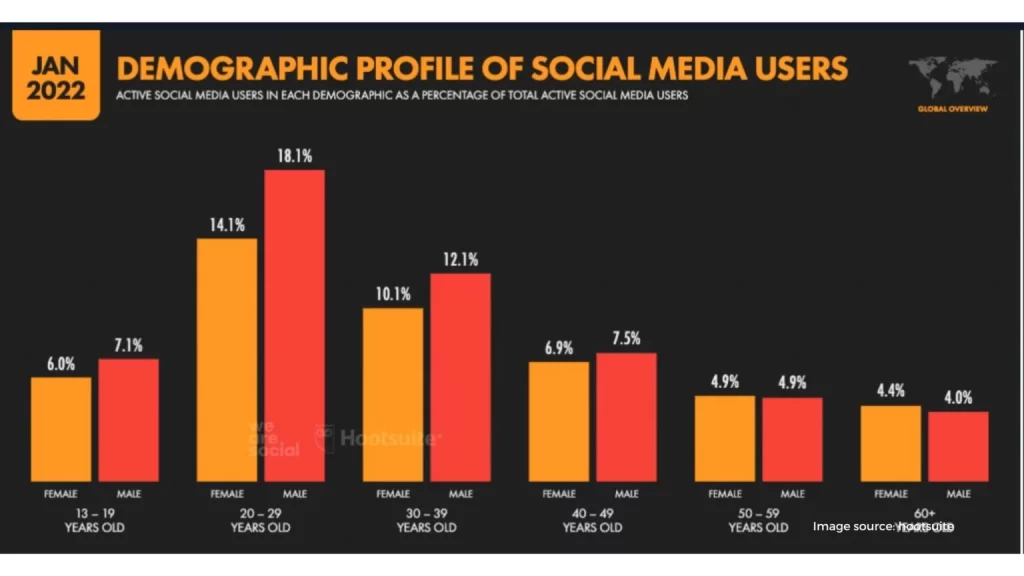
Potential patients looking for a healthcare practitioner usually do their research online. They may use search engines to get reliable and comprehensive information, or they could turn to social media. Nonetheless, you can get better results by utilizing digital marketing tools, platforms, and services in ayurvedic hospitals.
Ensure that your practice is listed on every internet site where people may be looking for your services. This will result in more visitors to your website and, consequently, more foot traffic. Digital marketing for ayurvedic companies entails reaching out to large (B2C) or corporate (B2B) audiences rather than individual consumers.
The following are ten ways to market your Ayurveda clinic
1. Create a website
Making a website simple to navigate, effectively communicating with patients, and visually appealing may be your most powerful online marketing weapon. First, your practice's website should be developed with specific marketing objectives. Then, create an atmosphere for success around the goals you've chosen.
Your practice's address, phone number, and directions should continuously be published on your website. In addition, your website must have only a few pages describing your services and a section with instructional information to help your audience better understand the health sector and other health issues.
Make certain that your website is included in search engine listings like Bing Business, Google Business, or other business directories. Google and Bing's listings are always free. However, if you have a large budget, you may wish to seek a premium directory listing if you want greater exposure.
2. Optimize your website for search engines.
It's time to ensure your website is search engine friendly now that you've got one. Search engine-friendly templates may be created quickly using a web designer or one of the services listed above.
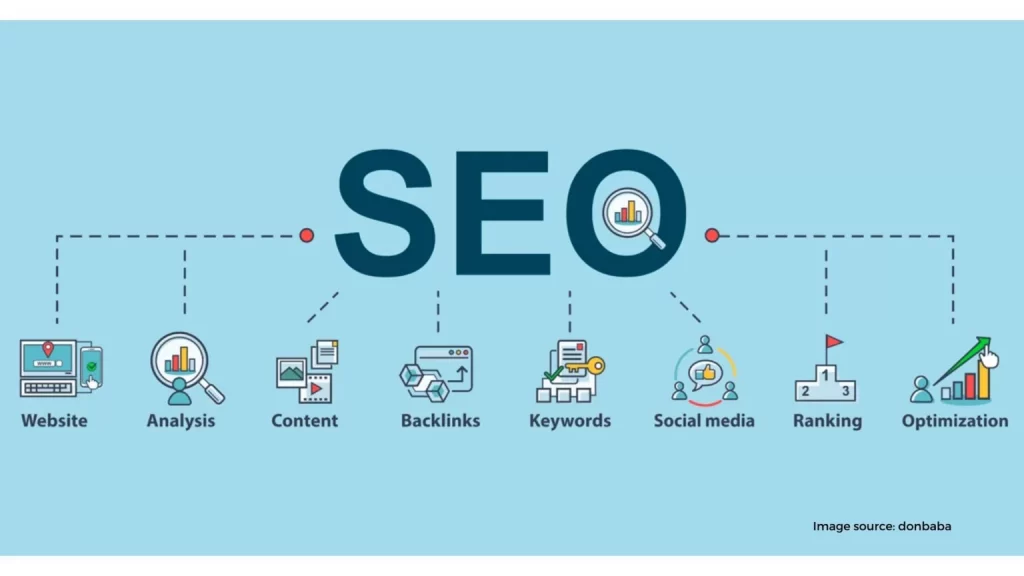
To guarantee that your website appears at the top of search engine results for relevant keywords, search engine optimization (SEO) employs several techniques. The following items affect a website's ranking:
On-page and off-page SEO are two types of SEO. The on-page elements are conditions that you can control, the website owner. Because you have control over your website, you have control over the on-page variables. Off-page SEO considers external factors such as links to your site and social media marketing.
If you want someone to click on the search engine results page, your title tag should be understandable and straightforward to entice them and not seem robotic. The meta description appears below the title tag on a search engine results page and is between two and three sentences long. When you establish a local presence on a business listing, it's easier to promote your brand in the neighborhood. This form of strategy, known as local search engine optimization (local SEO), helps visitors find your website by increasing their visibility in search engines.
3. Educate your target audience with unique content.
It's essential to produce and distribute high-quality content that provides value to your readers while fostering trust between them and your clinic over time. These are examples of blog entries, eBooks, essays, and white papers. In addition, this will contribute to the improvement of search engine optimization and long-term traffic to your website.
This information should assist with answering the most common questions patients ask. On your website, you can educate readers about the process and establish your practice as an authority on the subject by answering these queries.
Too often, medical practitioners are either too busy or simply unwilling to spend time creating content that they may get in trouble for if presented incorrectly. A content creation opportunity for your practice provides a chance to share information about your health and area of expertise with customers. No other physician has taken the initiative to answer these concerns.
4. Optimization for mobile phones
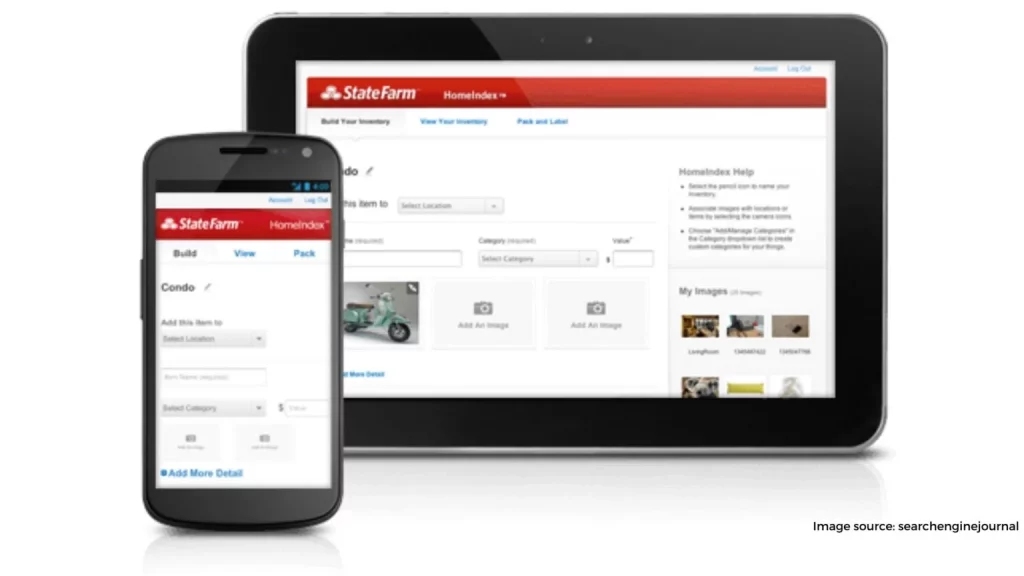
Today, mobile-friendly websites and applications are a critical aspect of search engine rankings. Because most people use mobile devices to look for information, any website or program that does not adapt to mobile optimization will be ignored by consumers.
Today, several successful ayurvedic companies use a tablet and smartphone-friendly tools to improve their exposure. Consider the mobile environment and SEO strategy while developing your brand's website or app. When optimizing your website for mobile devices, keep the following in mind:
Make sure your website works on all devices by using responsive design.
Make your website load faster.
Keep your material brief and to the point.
Use big typefaces and buttons.
5. Generate leads with compelling call-to-action (CTA).
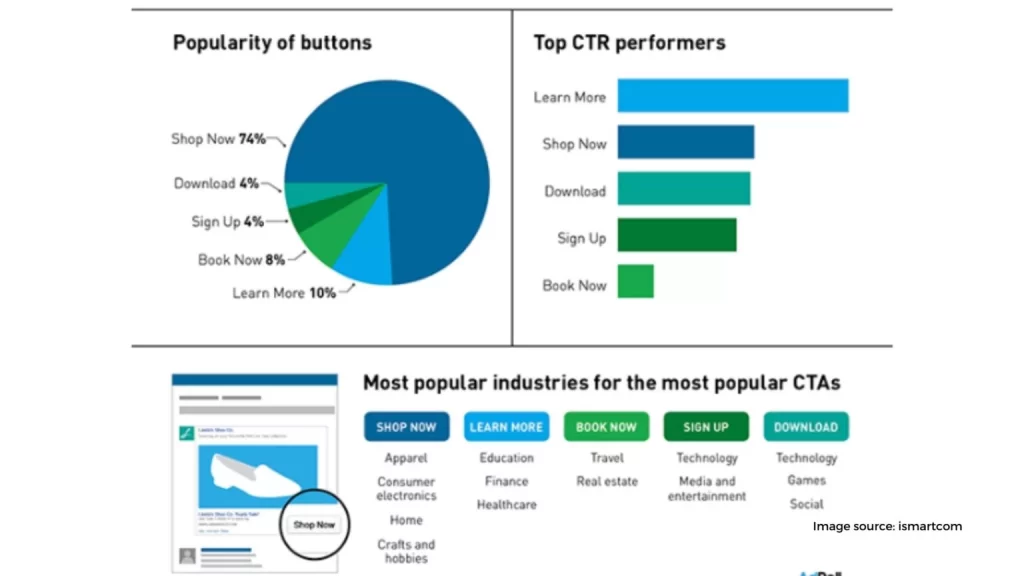
A vital component of an ayurvedic website is the inclusion of call-to-actions (CTAs) that urge patients to contact you for an appointment or join your newsletter. The most important location to place these CTAs is above the fold, the first thing visitors see when they arrive on your website. Above the fold implies that it can be seen without scrolling down.
Your call to action (CTA) should be as simple and straightforward as possible. The text should be clear and concise, with a distinct button that stands out from the rest of the website's design. When it comes to Ayurveda, your CTA's may include the following:
Make an appointment for a free consultation
Get a free e-book on whatever you want.
Sign up for our newsletter
You may produce leads by utilizing CTAs on your website and expand your Ayurvedic practice.
6. Take a cue from other sectors.
Consider how other businesses have succeeded in reaching their customers to help you differentiate yourself from the competition. Competitive research is a common practice among companies as a marketing and brand positioning technique. However, if all healthcare rivals are conducting comparative competitive research to obtain insights, everyone begins to communicate with one another.
Get ideas for marketing your practice in the most fantastic way from firms from distinct sectors. What are they doing to stand out in their field? What is the difference between this and your regular approach? How can you improve it? You may never know where your next fantastic idea will come from.
7. Use Google Analytics.
Google Analytics is a cost-effective, user-friendly web analytics solution that lets you see how effectively your website converts visitors into customers. It also contains valuable information on your audience's characteristics, interests, and behavior.
Google Analytics is a free service offered by Google that may be used to monitor both on-site and off-site activities. For example, if someone reads one of your blog entries and then searches for your practice on Google, you will be recorded as a conversion in Google Analytics. Conversely, if someone skims through your blog article but does not make any purchases after doing so, this is considered an exit from the site.
You can make improvements that result in more website traffic and conversions if you have a clear picture of how consumers use your site.
Pro tip :
You can keep track of your existing customers with email newsletters. You may monitor which items you are selling the most. You may also follow who is interested in purchasing your services. This also makes you feel more confident since you are familiar with your target demographic. This is critical for the market entry strategy for ayurvedic products
8. Give your patients the option to promote your clinic on their own.
One of the most potent methods to build a patient base over time is word-of-mouth marketing, but how can you assist your patients in growing your following for you?
After the visit, you may use online questionnaires or a feedback form on your website to assist your patients in processing their experience. Again, you encourage your patients to feel that their voices are heard and that their input is respected when you consider their comments.
You can use this information to inform your practice of what will and won't work for you. Make modest changes to your approach in response to this feedback, and patients will have a better experience and be more vocal about your services.
9. On social media, be active but not too engaged.
There are a lot of buzzwords out there in the world of online marketing, but there's substance behind the flames. This is because, regardless of your company's size, you may give practical exposure to your material through social media.
Create a Facebook page, Twitter account, and LinkedIn profile for your clinic. These profiles should be kept up to date with your original material and content from other reputable sources as long as it is relevant.
Every blog and other material on your website should contain social sharing buttons. This will allow readers to easily share your material across the social channel to which they are engaged. Consult social media marketing for ayurvedic clinics if you want better results.
Pro tip:
A competent and trusted digital marketing company will work with you to reach the proper target audience and inform them about your offerings. Make sure to publish your findings and progress online.
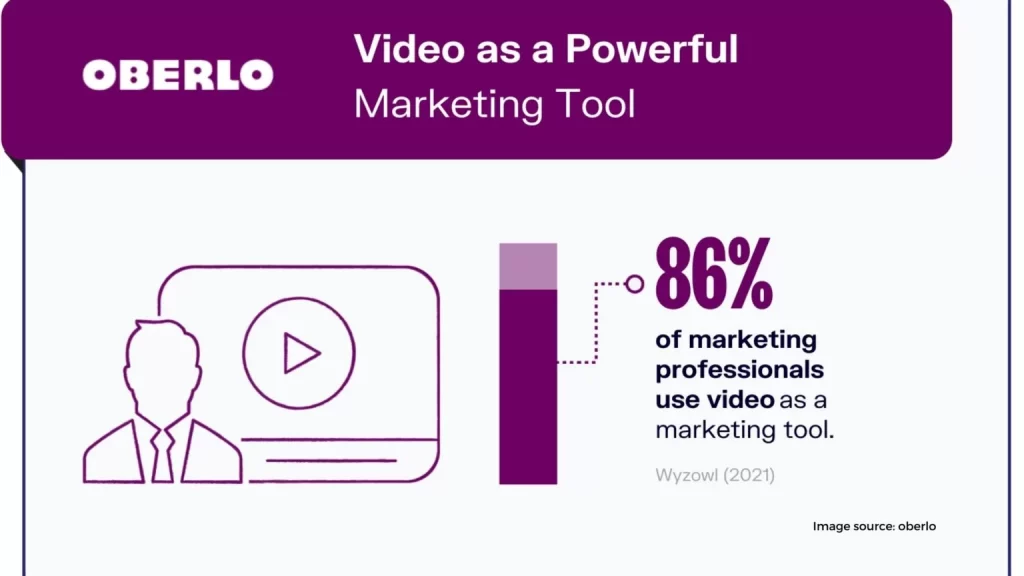
10. Video marketing is critical.
Don't forget to put out some video marketing as well. Make your consumers a part of your testimonial efforts in such a way that allows them to speak for you most genuinely and effectively possible.
You can post your video marketing campaign on YouTube and then embed those videos via your website. Since YouTube is a search engine in its own right, you may discover video content there through search results, channel subscribers, and wherever it is embedded (like your website).
Video content must give valuable information in the same way that your website's written content does. In addition, the video should be exciting and address a problem or issue your target audience is facing.
Having a strategy in place for each video you make is also critical. For example, what is the aim of the video? Who is your intended audience? What type of call-to-action would you want people to perform after watching the video?
Conclusion
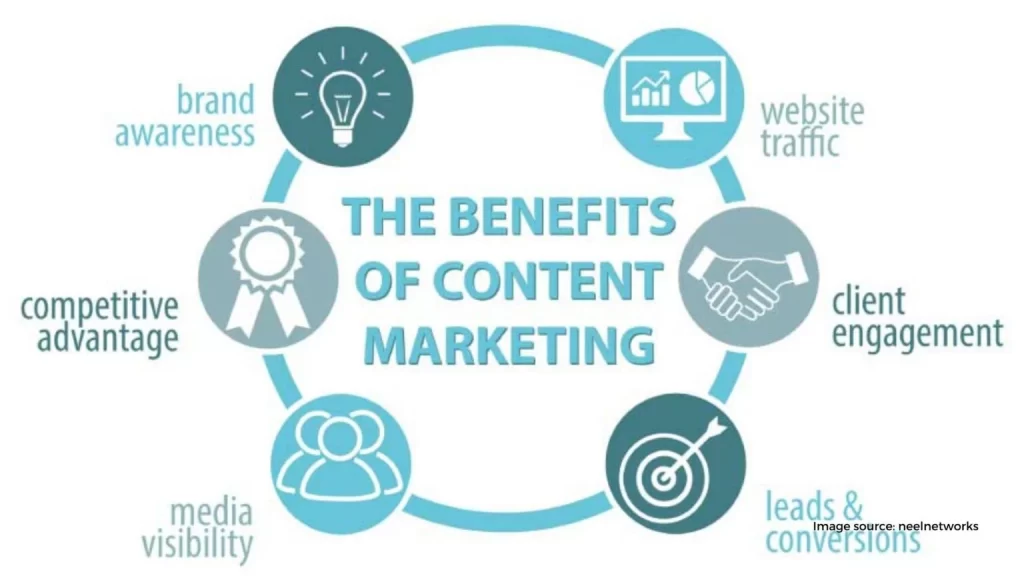
Ayurvedic clinics and hospitals are on the rise in the market. In the current competitive environment, relying on traditional marketing is no longer viable. Your ayurvedic clinics can be promoted using digital marketing to reach a large audience, build brand awareness, engage customers, and market your clinic. Expanding your ayurvedic business by promoting your brand on various platforms is possible. Also, explore types of Ayurveda digital marketing channels to promote your ayurvedic company.
A study revealed that much online advertising for Ayurveda treatments had aided hospitals in increasing revenues by attracting clients online. Online sales have a significant impact on the growth of your clinic or hospital. It's critical to diversify your market in order to achieve the finest digital marketing strategy for Ayurvedic items. The future of Ayurvedic goods is extremely bright. Companies marketing more and more Ayurvedic products are engaging in quality, creative, and strategic marketing. Lastly, You have to try and test various digital marketing strategies for ayurvedic products to find out the best-suited channel for your product.
Loved What You Read? Stay Inspired!
Don’t miss out on exclusive insights, tips, and updates. Sign up now and be the first to explore fresh ideas!
Healthcare groups operating across multiple GCC locations have been forced to develop reputation governance infrastructure that most retail brands at comparable scale have never built. The stakes were higher, the regulatory scrutiny greater and the consequence of a poor review more immediately visible in patient volume. This blog extracts four specific lessons from how healthcare groups govern reputation at scale — treating it as infrastructure not marketing, building governance frameworks before selecting platforms, conducting listing audits and using review intelligence as a leading commercial signal — and applies each one to the GCC retail context.
A hotel brand in Dubai and an insurance company in Riyadh look like completely different businesses. At their operational core they share an identical problem: how to ensure that a frontline employee distributed across dozens of locations, speaking multiple languages and hired at varying experience levels, delivers a consistent and confident customer interaction every single time. Insurance solved this problem with systematised enablement infrastructure. This blog explains the four specific lessons GCC hospitality brands should be taking from that model and what it looks like applied to a multilingual hotel workforce operating across eight properties.
The GCC is managing three simultaneous workforce transitions: national talent entering private sector roles under Emiratisation and Saudisation programmes, expatriate professionals facing restructuring under Nitaqat timelines and mid-career professionals being upskilled into digital and AI-adjacent functions. None of these groups are well served by the traditional outplacement model. This blog explains what an AI reel-based coaching layer looks like for each segment, why language personalisation is as important as content personalisation in the Gulf and how organisations managing large-scale transitions can deliver genuinely individual coaching without a per-head cost that scales with headcount.
A 100-location group reading its review data as an aggregate rating is reading only the surface layer. The operational layer underneath contains geographic clusters where the same complaint appears across six locations in the same region simultaneously, temporal clusters where wait time complaints spike across 30 outlets in the same two-week window following a system change and staff-correlated clusters where sentiment deteriorates sharply after a specific management change. This blog explains the three recurring patterns that only become visible at scale, why review data becomes more valuable as location count increases and what it takes to convert passive reputation monitoring into an active quality management system.
In most markets a negative review sits publicly on Google and reaches prospective customers gradually during their own research. In the GCC the same review is forwarded to WhatsApp family and community group chats within hours, discussed across extended networks and referenced in conversations the brand can never access. This blog explains why the GCC's social architecture amplifies negative reviews differently, what the effective response window actually is in a market operating at 98.99% social media penetration and why a response that reaches readers before the WhatsApp forwarding cycle completes is worth more than any recovery strategy deployed after it.
GCC consumer behaviour has always been shaped by relational trust rather than transactional shortcuts. The neighbour's recommendation, the family member's experience and the trusted colleague's opinion have historically determined purchase decisions more than advertising or brand recognition. What has changed is not the value GCC consumers place on trusted recommendations but where those recommendations now live. This blog explains how online reviews have inherited the cultural function of word-of-mouth in the Gulf, why bilingual response governance is a trust signal rather than a courtesy and how the Ramadan and Eid windows create the highest organic review motivation of the year.