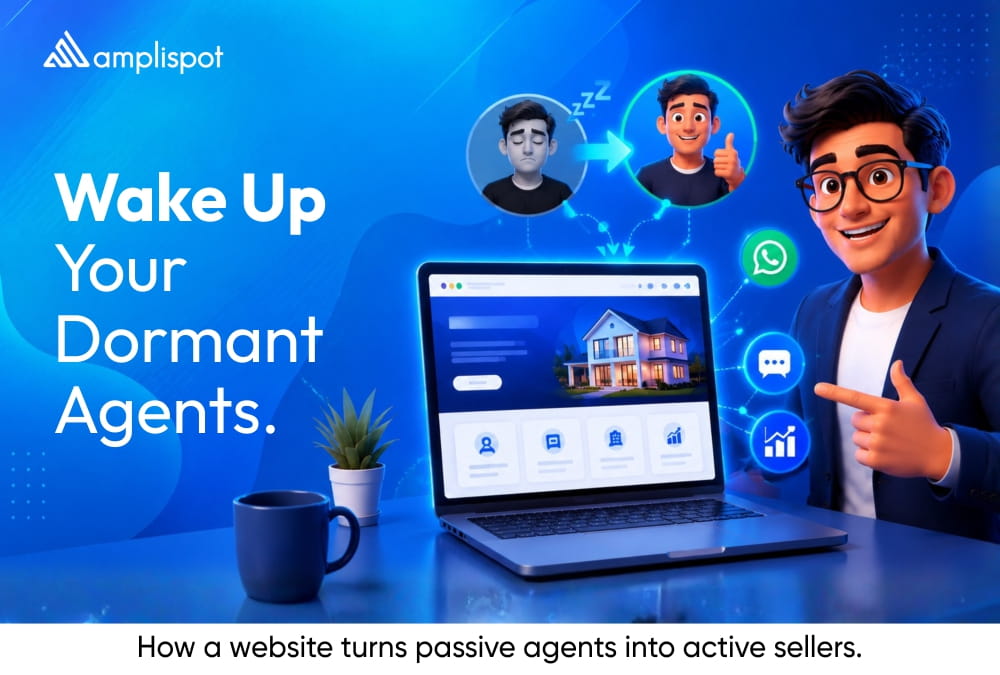
Every agency leader knows the pattern. An agent joins with enthusiasm, goes through training, clears their licensing, and starts selling, but within the first few months, their production quietly tapers off. They sell two or three policies to friends, family, and people they already knew—and once that immediate circle dries up, so does their activity.
In fact, many agency leaders and managers have almost given up on breaking this cycle. A common, unspoken mindset has set in: just get two or three quick policies out of these new guys, dump them when they stall, and go back to the market to recruit more. Managers often prefer to pour all their ongoing energy into a few top performers while treating the rest as a revolving door of short-term volume.
What follows is an endless loop of recruitment drives, onboarding, and training investments, only for the next wave of agents to follow the exact same arc. It is a cycle that costs far more than most agencies realize—both in capital and team morale—and it keeps repeating because leaders are treating a symptom rather than addressing the root cause.
Key Takeaways
- Most agents go dormant after exhausting their immediate personal network, not because they lack motivation or skill.
- Constantly recruiting to replace dormant agents is expensive and ignores a readily available resource.
- Dormant agents already understand the product, the sales process and the client conversation, they just need wider reach.
- A professional website expands an agent's visibility beyond their personal circle and makes connecting with new prospects significantly easier.
- Agency leaders who invest in activating dormant agents through digital infrastructure get faster results than those who only recruit new ones.
Why Do Agents Go Dormant in the First Place?
Understanding dormancy starts with understanding how most agents build their initial book of business. When an agent is new, their most natural and immediate resource is their personal network, which includes relatives, friends, colleagues, neighbours and acquaintances. These are warm conversations that convert relatively easily because there is already a layer of trust in place.
The problem is that this network has a fixed size. Once an agent has approached everyone they know and sold policies to those who were interested, the well runs dry. At that point, they are left with no pipeline, no system to find new prospects and no digital presence that would allow prospects to find them instead. Without a consistent source of new clients, their sales activity drops and income disappears and what follows is a slow, quiet retreat into dormancy.
This is not a character flaw. It is a structural gap that agency leaders are well placed to close.
Why Recruiting New Agents Is Not Always the Answer!
When production drops across a portion of the agent force, the reflex is to recruit. But recruiting is not a cheap solution. Bringing a new agent on board, from recruitment through onboarding and training, can cost six to nine months of that individual's salary. And by their third year, 83% of insurance agents have either switched agencies or left the industry entirely, meaning many of those recruitment investments never fully pay off.
More importantly, the newly recruited agent faces the exact same structural problem as the one who just went dormant. They will sell to their immediate network, exhaust it and plateau unless something changes.
Agency leaders who focus exclusively on recruitment are essentially paying to repeat the same cycle. The smarter move is to invest in the agents already on the roster, specifically the dormant ones, because those agents bring something a new recruit does not: they already know the game.
Dormant Agents Are an Underleveraged Asset
A dormant agent is not a write-off. They have completed training, they understand the products, they know how compliance works and they have sat across from real clients and handled real objections. That knowledge took time and money to build and it does not disappear just because the agent stopped producing.
When experienced agents disengage, they take with them industry knowledge and sales experience that is genuinely difficult to replace. Agency leaders who recognise this and choose to reactivate dormant agents rather than replace them are tapping into a resource they have already paid to develop.
The gap for most dormant agents is not motivation or knowledge. It is that their personal network has a ceiling and they have no mechanism to go beyond it. A professional website directly addresses that gap.
How a Website Expands an Agent's Reach Beyond Their Network?
An agent without a digital presence is restricted to a limited pool of prospects—essentially only the people they already know or can reach through cold outreach. A professional website fundamentally changes this dynamic, acting not just as a static business card, but as a dynamic content hub that vastly expands an agent's reach.
By leveraging the content hosted on their website, agents gain powerful conversation starters. Sharing insightful articles, guides, or updates into various WhatsApp groups and social circles allows agents to showcase their deep industry knowledge. Instead of chasing leads with hard sales pitches, this content positions the agent as a credible, trusted expert in personal finance.
When group members see this valuable information, it naturally sparks curiosity. People begin reaching out directly to ask for personal finance suggestions and advice. This inbound interest allows the agent to effortlessly break out of their immediate circle, transforming passive readers into active leads and making the process of connecting with new clients far more organic than traditional cold calling.
Amplispot's Agent Websites are built specifically to fuel this strategy. We provide each agent with a fully personalized professional website complete with their photo, unique story, product offerings, and high-quality content. It is designed to establish instant credibility, giving agents the exact tools they need to share insightful content, spark meaningful conversations, and attract prospects they would have otherwise never reached.
What Agency Leaders Can Do to Make Activation Easy?
Knowing that a website helps is one thing. Getting a dormant agent to actually set one up is another. Many dormant agents want to get back to producing but feel overwhelmed by the idea of building a digital presence from scratch and if the process is too complicated they simply will not start.
This is where agency leaders play a critical role. When an agency provides a ready-to-launch website, pre-written content and a guided setup process, the activation barrier drops significantly. An agent can go from inactive to having a live professional presence in a matter of hours rather than weeks, and that quick start creates momentum that carries forward.
Amplispot's Content Repository gives agents access to brand-approved, ready-to-share content so they do not have to produce anything from scratch, while the Agent Training Platform helps rebuild product knowledge and sales confidence for agents who have been away from active selling for a while. Together these tools give agency leaders a practical reactivation setup that does not require constant supervision.
Overcoming the "Warm Market" Wall with Smart AI
The real breakthrough happens when agents can intelligently expand on the connections they already have. This is where Amplispot's Smart Pitch Tool steps in. By securely analyzing photos within an agent's gallery, the AI identifies potential prospects the agent already interacts with but might have overlooked. It doesn't just stop at identification; the tool actually generates highly personalized, professional AI videos tailored to that specific person, creating an instantly engaging pitch. To ensure these opportunities turn into actual revenue, the tool is backed by a smart, automated follow-up sequence. This guides the agent step-by-step through the nurturing process, making it incredibly simple to stay top-of-mind, handle objections, and successfully close the deal.
The Bottom Line
Agency leaders have more leverage over dormant agents than they often realise. The agents are already trained, already licensed and already familiar with the sales process. What many of them are missing is a way to reach clients beyond the people they already know personally, and a professional website closes that gap in a way that no amount of additional training or motivational effort can.
Instead of cycling through new recruits who face the same structural problem, agency leaders who invest in giving dormant agents a proper digital presence are unlocking productivity from a resource they have already built. The agents are there. The knowledge is there. All that is missing is the tool that lets them go further than their personal networks allow.
Frequently Asked Questions
Q: Why do most insurance agents go dormant after their first few months?
Most agents start by selling to their immediate personal network and once that circle is exhausted, they have no system to find new prospects. Without a way to reach clients beyond the people they already know, activity drops and dormancy sets in.
Q: Why should agency leaders focus on reactivating dormant agents rather than just recruiting new ones?
Dormant agents already have training, product knowledge and sales experience, which makes reactivating them faster and more cost-effective than bringing in and developing new recruits who face the same structural challenges.
Q: How does a website help a dormant agent find new clients?
A professional website makes the agent discoverable to prospects who are actively searching for insurance coverage online, expanding their reach well beyond their personal circle and making it significantly easier to connect with new clients than outbound prospecting alone would allow.
Q: How quickly can dormant agents become active again with the right digital tools?
Many agencies observe improved activity within 30 to 60 days of providing agents with a professional digital presence and the right content support.
Ready to activate the dormant agents already on your roster? Discover how at amplispot.com.